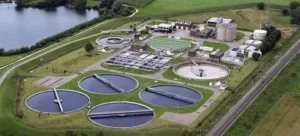
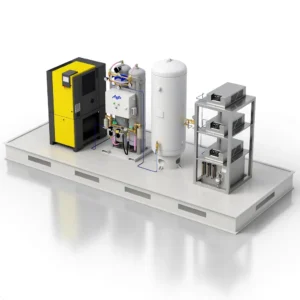
Advance Oxidation Process (AOP) for water treatment
Advanced Oxidation Processes (AOP) for water treatment use highly reactive hydroxyl radicals generated through ozone, UV light, and hydrogen peroxide…
 CONTACT US
Dear Friends,
Much recent hype has been about using hydroxyl radicals in water treatment technologies. However, a crucial issue in the discourse surrounding hydroxyl radicals in water treatment technologies is that while hydroxyl radicals theoretically possess high oxidizing potential and are effective in destroying pathogens, the practical application and measurement of their effectiveness pose significant challenges. I am increasingly skeptical about promoting these technologies for several compelling reasons.
First, a fundamental issue with promoting hydroxyl radicals is the challenge of measurement and practicality in real-world water treatment applications. Unlike other parameters that can be easily quantified and monitored, such as pH levels or chlorine concentrations, hydroxyl radicals are not readily measurable in water treatment. This raises significant doubts about their actual presence and impact in practical settings. It’s understandable to question the validity of claims made by proponents of technologies that purportedly generate hydroxyl radicals without providing concrete information on dosing, measurement, or practical implementation.
Many common oxidizers used in water treatment processes, such as ozone, hydrogen peroxide, and even UV light, generate hydroxyl radicals during oxidation. Therefore, the notion that one technology is superior solely because of its ability to create hydroxyl radicals is misleading and oversimplified. The focus should instead be on the overall effectiveness of the treatment method rather than a single component.
When evaluating water treatment technologies, consider a holistic set of criteria: effectiveness, environmental impact, and cost-efficiency. Each method has its strengths and weaknesses, and the choice should be guided by comprehensive assessments rather than isolated claims about radical formation.
In our rigorous testing, ozone has emerged as a compelling choice for water treatment over alternatives like UV or hydrogen peroxide. Not only is ozone generation more economical in the long run—thanks to its ability to be produced from readily available air—but it has also demonstrated superior effectiveness in scientific studies. This highlights the importance of evidence-based comparisons rather than relying on marketing claims centred on hydroxyl radicals.
Finally, the insistence on highlighting hydroxyl radicals in marketing materials often correlates with technologies that may not withstand rigorous effectiveness testing. Such claims can deflect attention from more robust, proven water treatment methods. Comparing the situation with ozone, where residual ozone concentration can be measured and ample experimental data on its effectiveness for pathogen inactivation exist, highlights the lack of comparable information for hydroxyl radicals.
It underscores the need for empirical evidence and practical guidance to evaluate the effectiveness of these technologies. Without measurable results and clear guidelines for implementation, it’s difficult to justify investing time and resources into technologies based solely on claims of hydroxyl radical generation.
In conclusion, while the concept of hydroxyl radicals in water treatment is intriguing, it is essential to approach it with a critical mindset. The actual test of any water treatment technology lies not in isolated claims about radical formation but in its overall performance across key metrics of efficacy, environmental impact, and economic feasibility.

Let’s prioritize sound science and practicality in pursuing effective water treatment solutions.

By submitting this form, you agree to receive communications from us as described in our privacy policy.