
Treating Water Color with Ozone
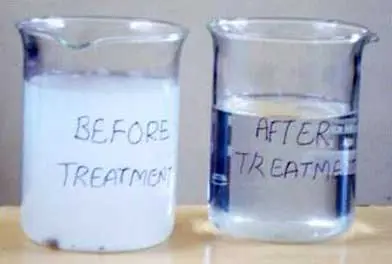
Colour in water is commonly caused by dissolved organic compounds, metals, industrial contaminants, or naturally occurring materials such as tannins and humic substances. In many water treatment applications, ozone is used to oxidize these compounds and improve water clarity and appearance.
Because ozone is a powerful oxidizing agent, it can rapidly react with colour-causing contaminants while supporting improved filtration and overall water treatment performance.
This guide explains how ozone is used for water color removal and the factors that affect ozone oxidation efficiency.
What Causes Color in Water?
Water discoloration can result from a variety of natural and industrial sources.
Common causes of colored water include:
- Tannins
- Humic acids
- Iron
- Manganese
- Organic contamination
- Industrial dyes
- Decaying vegetation
- Wastewater contaminants
How Ozone Removes Water Color
Ozone removes water color through oxidation.
When dissolved into water, ozone reacts with color-causing compounds and breaks down the molecular structures responsible for discoloration. In many applications, ozone also helps convert dissolved contaminants into particles that can be more easily removed through filtration.
Ozone treatment may help:
- Reduce yellow or brown coloration
- Oxidize dissolved organics
- Improve water clarity
- Reduce odor-causing compounds
- Improve downstream filtration performance
The effectiveness of ozone color removal depends on proper ozone transfer, contact time, and system design.
Common Applications for Ozone Color Removal
Drinking Water Treatment
Ozone is commonly used to improve the appearance and clarity of municipal and well water systems affected by tannins, organics, or dissolved metals.
Groundwater Treatment
Groundwater containing iron, manganese, or organic contamination may develop discoloration that can often be improved through ozone oxidation.
Wastewater Treatment
Industrial and municipal wastewater systems may use ozone to reduce color caused by dissolved organics, dyes, and oxidation-resistant compounds.
Textile Industry
Textile processing wastewater often contains dyes and colored organic compounds that may be treated using ozone oxidation systems.
Beverage & Food Processing
Ozone treatment may be used in food and beverage processing applications where water clarity and oxidation performance are important.
Frequently Asked Questions
Can ozone remove color from water?
Yes. Ozone is commonly used to oxidize dissolved compounds that cause water discoloration.
Does ozone remove tannins?
Ozone may help oxidize tannins and other natural organic compounds that contribute to yellow or brown water coloration.
Is ozone effective for wastewater color removal?
Yes. Ozone is widely used in industrial wastewater treatment applications involving dyes, organics, and colored contaminants.
Does ozone improve water clarity?
Yes. Ozone oxidation can help reduce discoloration and improve overall water appearance and clarity.
Frequently Asked Questions
How long does ozone last in water?
Ozone may remain active in water from a few minutes to over an hour depending on water temperature, purity, and contaminant levels.
Does ozone disappear quickly?
Yes. Ozone naturally decomposes back into oxygen and is considered an unstable gas.
Does temperature affect ozone half-life?
Yes. Higher temperatures significantly increase ozone decomposition rates.
Is ozone stable in water?
Ozone is relatively unstable in water and continuously decomposes over time.
Why does ozone last longer in cold water?
Cold water slows ozone decomposition, allowing ozone to remain active longer and improving treatment efficiency.