Ozone in the Food Industry: An Effective and Safe Solution
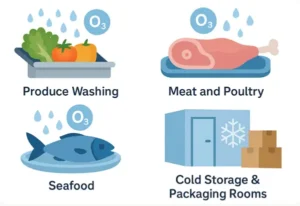
Ozone is an effective and safe solution for the food industry, helping eliminate bacteria, viruses, mold, and odors without leaving…
 CONTACT US
Ozone can do more than mask unpleasant smells. When properly applied, it can oxidize many of the compounds responsible for industrial odors.
Industrial odors can affect employees, surrounding communities, operations, and regulatory compliance.
Effective odor control begins by identifying the source and understanding the compounds responsible for the odor.
The effectiveness of ozone odor remediation depends on the contaminant, concentration, airflow, ozone dose, contact conditions, and overall system design.
Industrial odors can originate from many different processes. Each application can involve a different combination of odor-causing compounds and operating conditions.
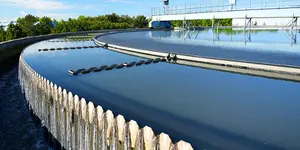
Biological activity and decomposition can generate hydrogen sulfide and other sulfur-containing compounds.
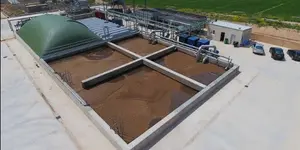
Processing animal byproducts can produce complex mixtures of sulfur compounds, amines, ammonia, and other odor-causing substances.
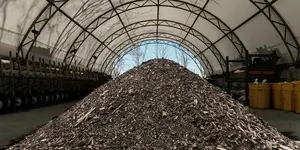
Decomposition of organic materials can release hydrogen sulfide, ammonia, VOCs, and other odorous compounds.

Organic residues, wastewater, rendering processes, and decomposition can contribute to persistent odors.
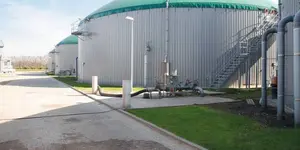
Anaerobic digestion can produce hydrogen sulfide, ammonia, and other compounds that require treatment.
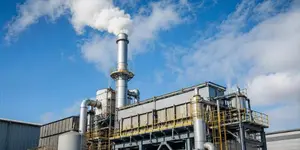
Chemical processing, petroleum refining, pulp and paper production, and other industries can generate complex odor profiles.
Industrial odor problems are rarely caused by a single factor. Odor concentration can change over time, multiple compounds may be present, and the source may be spread across a large area.
Ozone treatment must be designed around the specific compounds present, their concentration, airflow, required ozone dose, and contact conditions.
Ozone Can Treat the Cause—Not Just the Smell
Air fresheners and masking agents may reduce the perception of an odor, but they do not necessarily remove the compounds responsible for it.
Ozone works differently. Because ozone is a strong oxidizing agent, it can react with many odor-causing compounds and transform them into different chemical species.
IMPORTANT
Ozone treatment must be designed around the specific compounds present, their concentration, airflow, required ozone dose, and contact conditions.
Different industrial processes produce different odor profiles. Some compounds are particularly important when evaluating ozone as a treatment option.
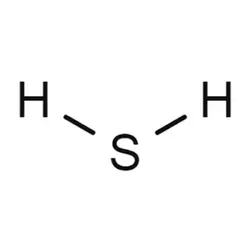
Often associated with wastewater, anaerobic processes, landfills, and decomposition. It is recognizable by its characteristic sulfur-like odor.
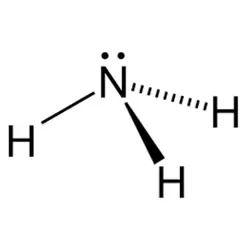
Common in agricultural, livestock, wastewater, and industrial environments.
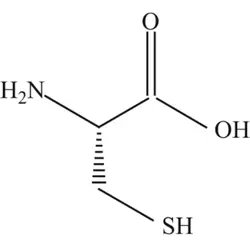
Reduced sulfur compounds can contribute significantly to odors from wastewater, rendering, pulp and paper, and other industrial processes.
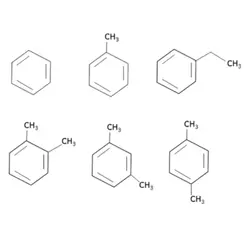
Some VOCs can contribute to industrial odors and may be susceptible to oxidation depending on their chemistry and treatment conditions.
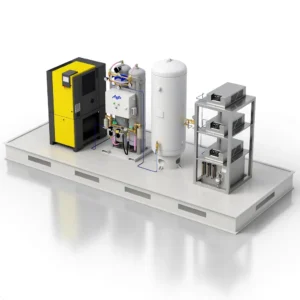
A successful ozone odor control system is more than an ozone generator. The system must produce ozone, distribute it, mix it with the contaminated airstream, and give it enough time to react.
The system converts oxygen-rich feed gas into ozone at the required concentration and production rate.
Ozone is introduced into the treatment area or air stream using a system designed for the application.
Proper mixing and contact conditions allow ozone to interact with odor-causing compounds.
Ozone reacts with susceptible compounds, changing their chemical structure and reducing their odor impact.
Monitor ozone concentrations and operating conditions to maintain effective, safe operation.
If residual ozone remains, an appropriate ozone destruction system can be used before releasing treated air.
Uncontrolled odors can harm employee morale, damage a company’s reputation, and even lead to regulatory fines. By investing in the right industrial odor remediation systems, businesses not only eliminate unpleasant smells but also create a safer, healthier, and more productive environment.
From wastewater treatment plants to large-scale manufacturing sites, odor remediation is a vital step toward cleaner air, fewer complaints, and smoother operations.
Ready to improve air quality in your facility? Talk to an odor remediation expert today and find the solution that best fits your needs.

By submitting this form, you agree to receive communications from us as described in our privacy policy.