
KEY FEATURES:
- Ozone is more effective than chlorine in destroying viruses and bacteria.
- The Ozonation process utilizes a short contact time (approximately 10 to 30 minutes).
- The ozone decomposes rapidly, leaving no harmful residues for removal after ozonation.
- The ozone is generated on-site
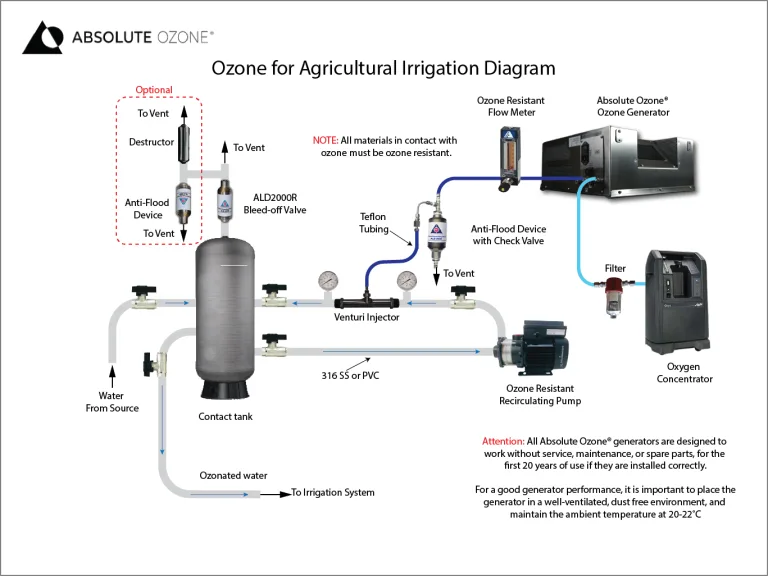
CONCEPTUAL INSTALATION DIAGRAM
SCIENTIFIC LITERATURE
Ger the configuration righjt before the system is built
Choosing the right ozone system goes beyond selecting a product. Tell us about your application, and our team will recommend a customized solution designed to meet your exact requirements.
MAGNUM

NANO

Concentration 5-10 %w/w
ATLAS

TITAN

Ozone for Agricultural Irrigation
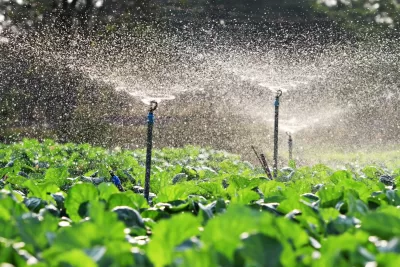
In agricultural irrigation, various challenges affect the efficiency of irrigation systems and the health and productivity of crops. The most common problems include the presence of harmful microorganisms, the accumulation of organic residues, and inadequate oxygenation of irrigation water. These factors can deteriorate water quality, reducing crop yields and compromising quality.
Fortunately, ozone has emerged as a promising solution to address these issues in agricultural irrigation. The use of ozone in agriculture effectively combats the proliferation of pathogenic microorganisms, including bacteria, viruses, and fungi, that can cause plant diseases and hinder growth. Additionally, ozone helps eliminate organic residues in irrigation water, preventing sediment accumulation and obstructions in irrigation systems. Furthermore, ozone enhances water oxygenation, increasing the available oxygen concentration for plant roots, thereby stimulating growth and development. By maintaining a microbiological balance in the soil, ozone promotes better nutrient absorption by plants.
Ozone has powerful oxidizing and biocidal properties. Its proper application in irrigation water can benefit crop growth and plant health in several ways. Ozone can eliminate pathogens, promote nutrient availability, and manage weeds. In addition to its direct impact on crops, ozone is vital to improving irrigation water quality.
Benefits of ozone for agricultural irrigation
- Organic Matter Removal: Ozone treatment effectively oxidizes and breaks down organic matter, including algae, bacteria, and other contaminants in the water. This process leads to clearer water, reducing the risk of clogging in irrigation systems and improving water flow.
- Chemical Residue Reduction: Ozone treatment can help reduce chemical residues in the water supply, including pesticides and fertilizers. By breaking down these compounds, ozone ensures that the water used for irrigation is cleaner and safer for plants.
- pH Balancing: Ozone treatment can help balance the pH of irrigation water, ensuring it falls within the optimal range for plant growth. Maintaining the correct pH levels in irrigation water is crucial for plant nutrient availability and uptake.
Reduced Chemical Usage: Ozone treatment reduces reliance on chemical treatments, such as pesticides and herbicides, which can have negative environmental impacts. By adopting ozone-based irrigation systems, farmers can minimize their ecological footprint. - Water Conservation: Ozone treatment can help recycle and reuse water, reducing the need for excessive freshwater withdrawals. By effectively treating and disinfecting water, ozone enables the reuse of irrigation runoff, promoting water conservation and reducing strain on local water resources.
Integrating ozone generators into agricultural irrigation systems offers numerous advantages for crop growth, water quality, and sustainable farming practices. By harnessing the power of ozone, farmers can enhance plant health, control pathogens, improve water quality, and contribute to a more environmentally friendly approach to agriculture. Embrace the potential of ozone in irrigation and unlock the benefits for your agricultural operations today!