
KEY FEATURES:
- Ozone is more effective than chlorine in destroying viruses and bacteria.
- The Ozonation process utilizes a short contact time.
- The ozone decomposes rapidly, leaving no harmful residues for removal after ozonation.
- After ozonation, there is no need for additional rinses.
- The ozone is generated on-site
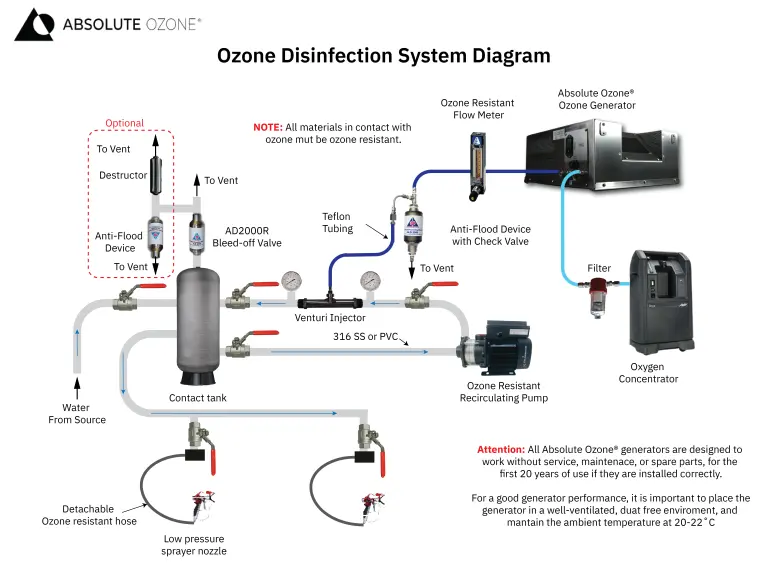
CONCEPTUAL INSTALATION DIAGRAM
SCIENTIFIC LITERATURE
- Surface germicidal effects of ozone on microorganisms
- Case Studies on The Use of Ozone to Combat Coronavirus
- Researchers have proved that Ozone is Effective in Disinfecting Coronavirus
- Safe and Effective Use of Ozone as Air and Surface Disinfectant for Coronavirus
- Biocides and Novel Antimicrobial Agents for the Mitigation of Coronavirus
- Effectiveness of a novel ozone-based system for the rapid high-level disinfection of health care spaces and surfaces
- Dangers of Chlorine in our Drinking Water
- Effect of Ozone on Cell Growth
- Inactivation of Human and Simian Rotaviruses by Ozone
- EPA Rules and Regulations for Ozone
- Ozone for Use in Food Applications
- U.S. FDA Regulatory Approval of Ozone as an Antimicrobial
- Effects of Ozone on E.Coli
Ger the configuration righjt before the system is built
Choosing the right ozone system goes beyond selecting a product. Tell us about your application, and our team will recommend a customized solution designed to meet your exact requirements.
MAGNUM
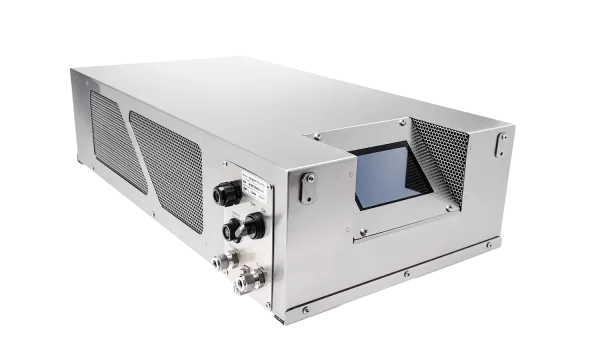
NANO
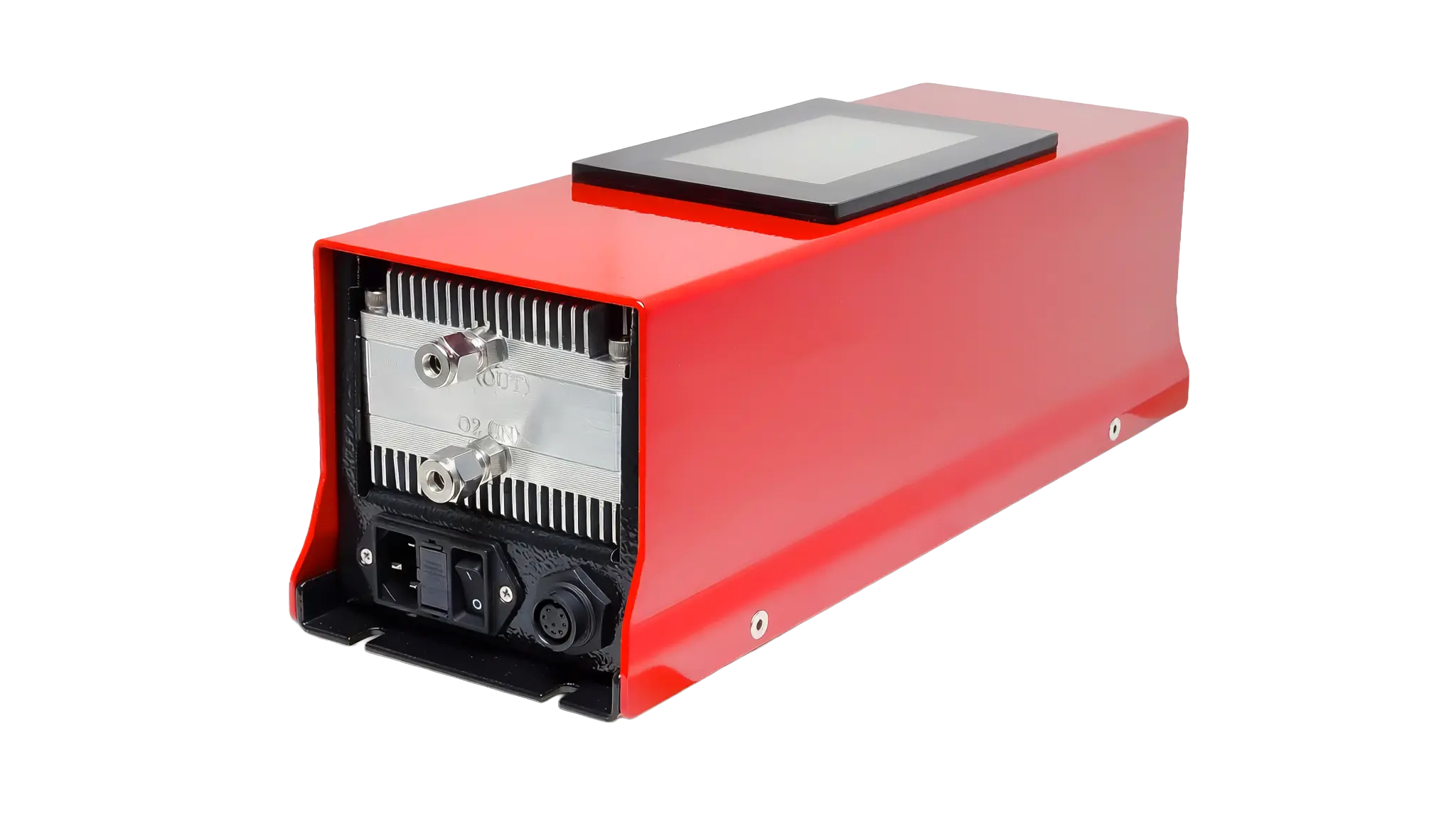
Concentration 5-10 %w/w
ATLAS
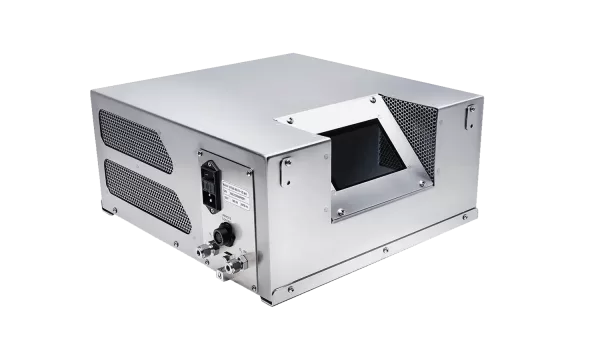
TITAN
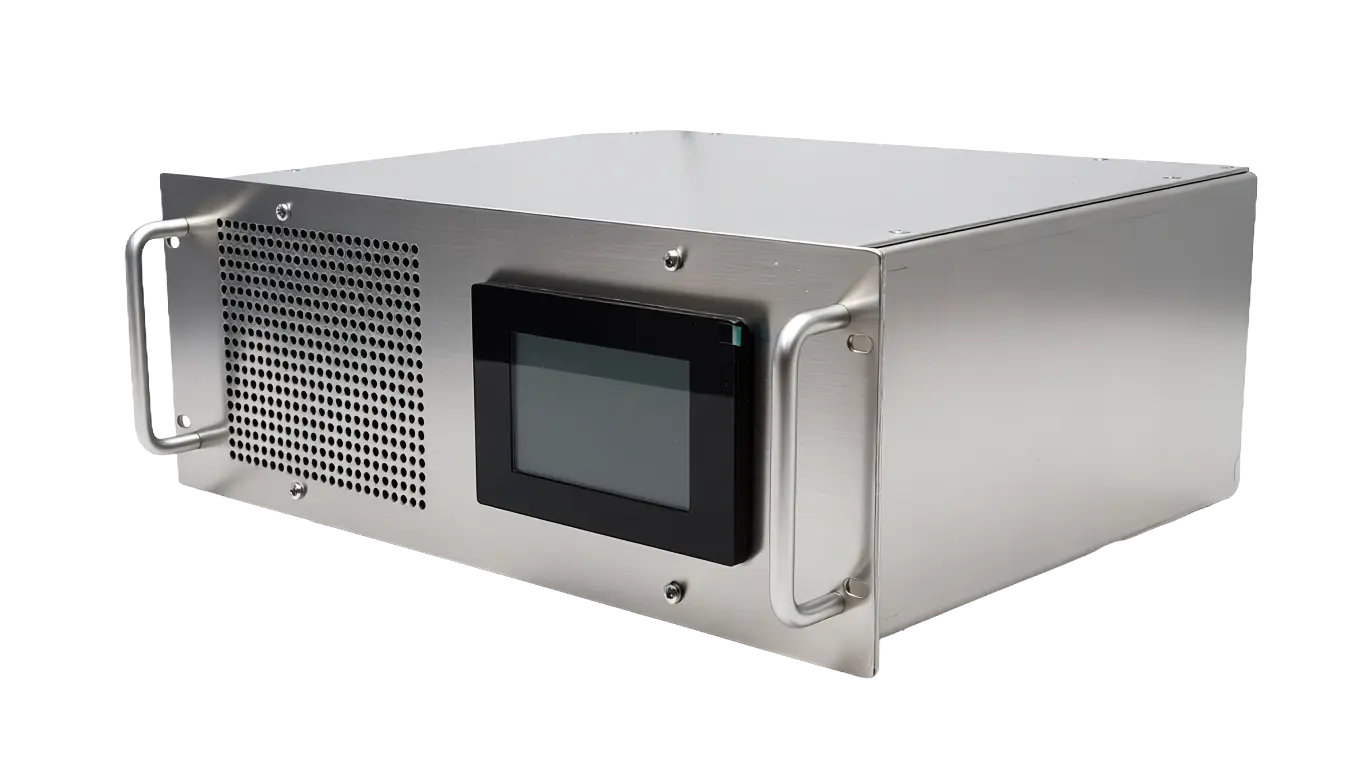
Ozone for Facility & Equipment Disinfection
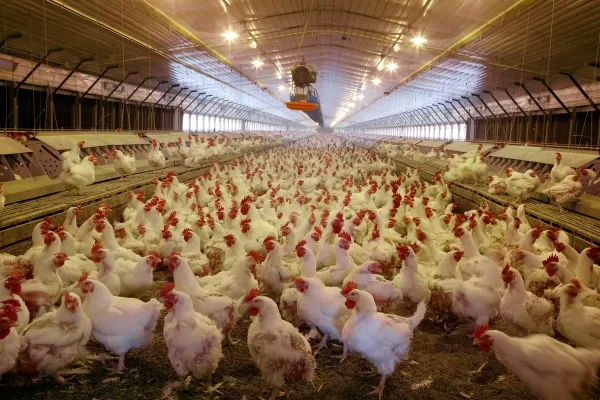
Ozone is a powerful tool for disinfecting facilities and equipment in livestock and poultry management, vital for creating and maintaining a healthy, hygienic environment for the animals.
When ozone is utilized for facility disinfection, its potent oxidizing properties come into action. It can permeate various surfaces, including walls, floors, and equipment, effectively targeting and eradicating multiple microorganisms. Bacteria, viruses, fungi, and other pathogens in the facility environment are highly susceptible to ozone’s oxidizing power.
The application of ozone for facility disinfection brings numerous advantages. Firstly, ozone acts swiftly and efficiently, neutralizing and eliminating microorganisms upon contact. Its broad-spectrum antimicrobial action ensures the thorough eradication of harmful pathogens, significantly reducing the risk of disease transmission among animals.
One notable benefit of ozone is its ability to reach hard-to-reach areas that traditional cleaning methods often struggle to reach. This product is designed to quickly reach and sanitize hard-to-reach areas, ensuring complete disinfection of the entire facility. This becomes particularly valuable in livestock and poultry environments, where pathogens can easily find refuge even in the tiniest spaces.
Furthermore, ozone leaves behind no chemical residue after the disinfection process. In contrast to certain conventional disinfectants, ozone decomposes into oxygen, leaving the environment free from harmful chemical byproducts. This aspect ensures a clean and safe environment for the animals, as they are not exposed to residual chemicals that could cause harm.
Using ozone for disinfecting facilities is important for improving biosecurity measures. The risk of disease outbreaks and cross-contamination within the facility is significantly diminished by eliminating pathogens. This contributes to the overall health and well-being of the animals, ultimately resulting in enhanced production and performance.
Contact us now. Don’t wait any longer to take advantage of the benefits of ozone technology.