

KEY FEATURES:
- Lower costs.
- Significant reduction of process water consumption.
- Reducing the amount of wastewater.
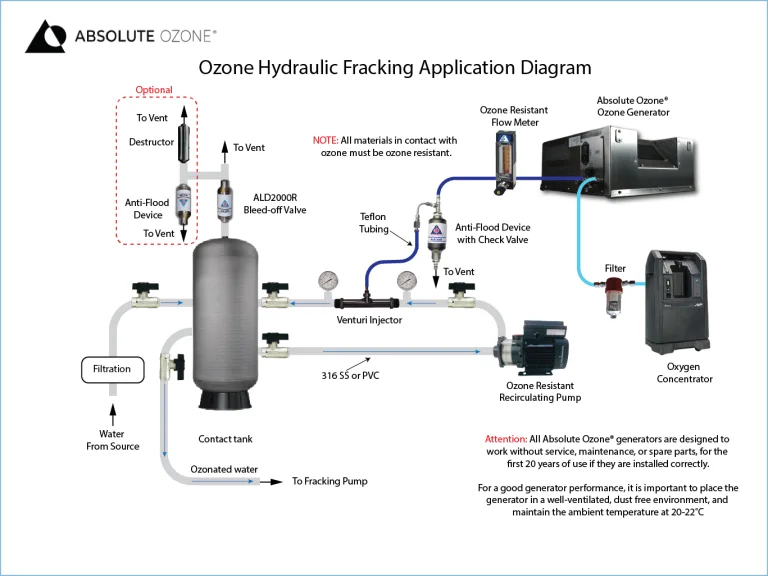
CONCEPTUAL INSTALATION DIAGRAM
SCIENTIFIC LITERATURE
Ger the configuration righjt before the system is built
Choosing the right ozone system goes beyond selecting a product. Tell us about your application, and our team will recommend a customized solution designed to meet your exact requirements.
MAGNUM
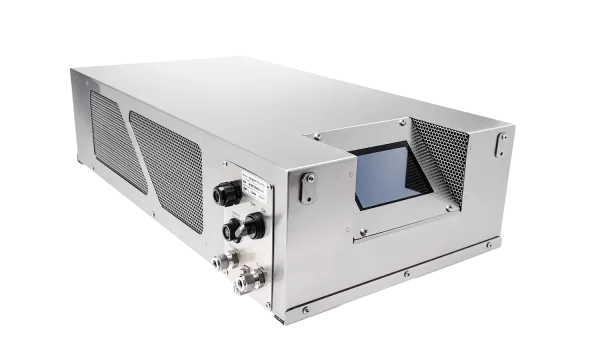
NANO
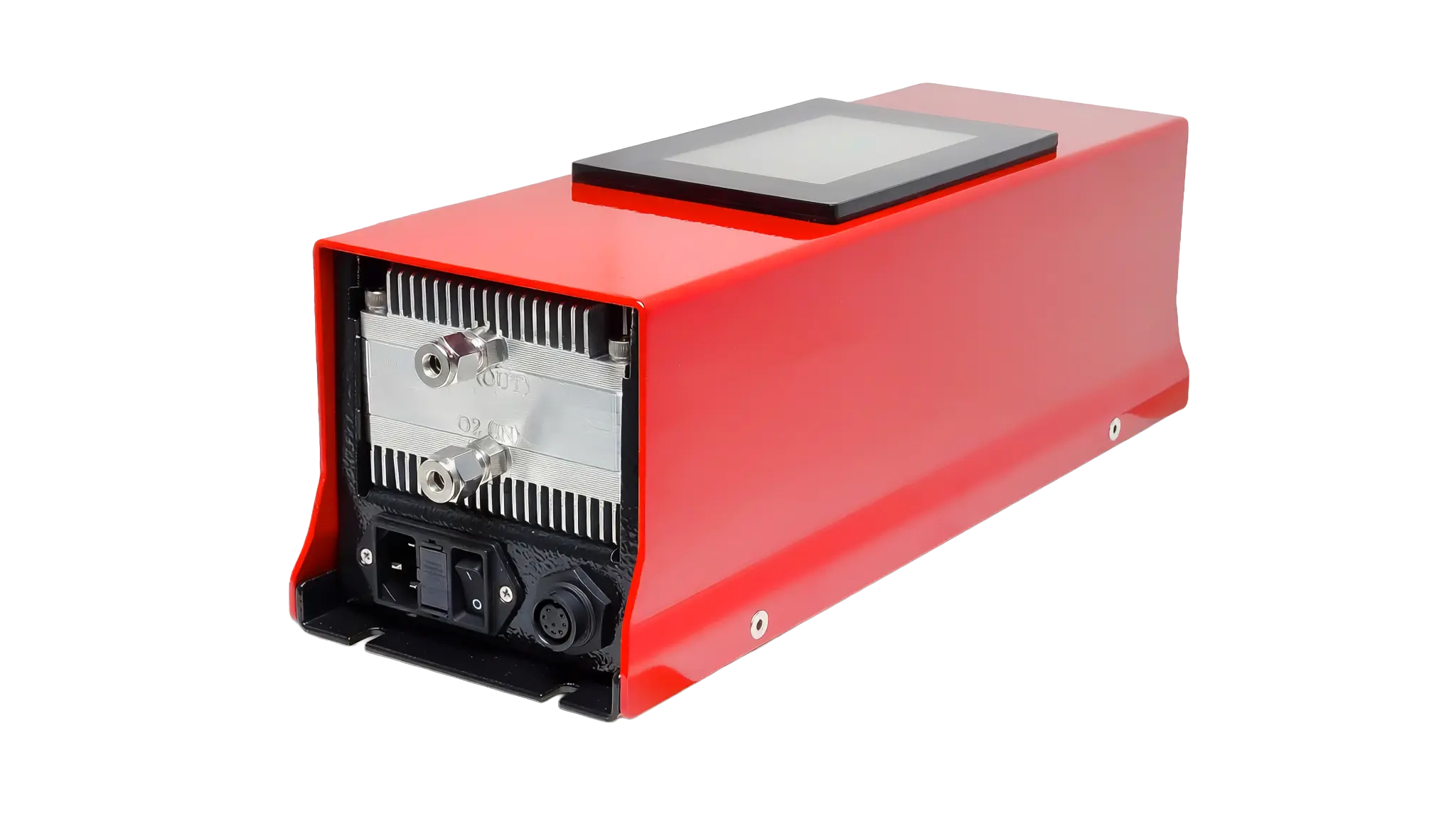
Concentration 5-10 %w/w
ATLAS
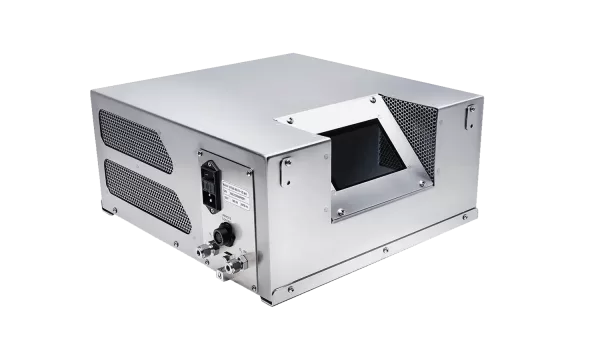
TITAN
OZONE FOR HYDRAULIC FRACTURING
Hydraulic fracturing, also known as “fracking,” is a technique that fractures rock using a pressurized mixture of water, sand, and chemicals. The process requires massive amounts of resources—on average, a single well uses approximately 24,500 cubic meters of water and 1,250 cubic meters of chemicals. Around 70% of this water returns to the surface as fracking wastewater (FWW), which must be treated before safe disposal. Fracking can also release volatile organic compounds (VOC), such as benzene, into the air, contributing to air quality degradation.
Fracking wastewater is a complex mixture containing additives, organic and inorganic geological substances, and chemical byproducts. Due to its high organic content and chemical complexity, no single treatment method can consistently achieve the required effluent standards. As a result, the industry often employs a combination of physical, chemical, and biological processes. However, each traditional treatment method has drawbacks:
- Physical treatments involve high capital costs and are sensitive to fluctuations in demand and supply.
- Chemical treatments generate significant operational costs and produce residual sludge.
- Biological treatments are sensitive to salinity and variable organic loads, often making them unreliable for FWW.
OZONE FOR HYDRAULIC FRACTURE
Ozone offers a highly effective and sustainable alternative. It can replace traditional biocides and descaling agents used in fracking operations. With the help of advanced ozone generators, such as those provided by Absolute Ozone®, the treatment process can efficiently break down organic contaminants and oxidize inorganic compounds, significantly reducing the volume and toxicity of wastewater.
More importantly, ozone treatment helps retain a greater volume of water in the well, reducing both freshwater consumption and the need for extensive water treatment. This not only lowers environmental impact but also leads to operational cost savings.
At Absolute Ozone, we offer the most advanced, energy-efficient, and reliable ozone generators available on the market. Our experienced team is ready to provide technical guidance and system design tailored to your fracking application.
Contact us today to learn how ozone can optimize your hydraulic fracturing operations.