
KEY FEATURES:
- Ozone largely eliminates mycotoxins and pathogens in fruit and vegetable products.
- Ozone does not leave residues.
- Ozone saves money over the long term more than any other alternative.
- Ozone is Generally Recognized as Safe (GRAS) for use in food processing.
- Lower bacterial levels
- Safe for the environment
- Improve water quality and reduce water usage
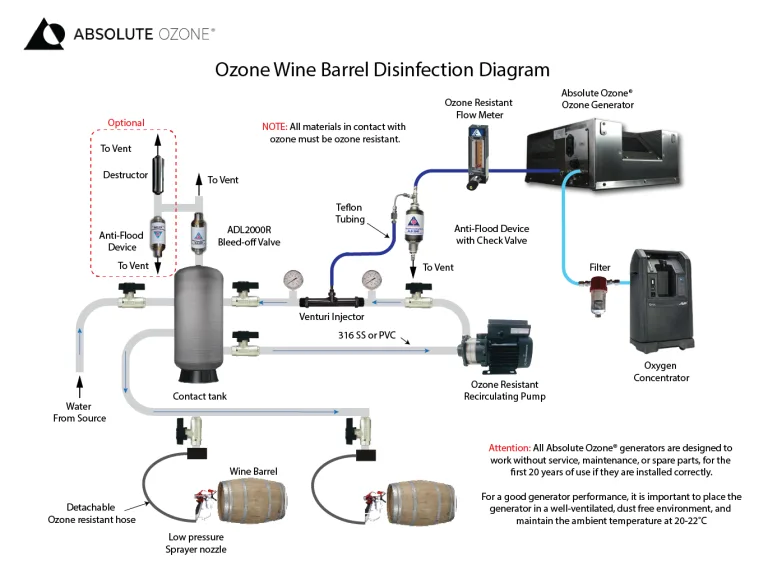
CONCEPTUAL INSTALATION DIAGRAM
SCIENTIFIC LITERATURE
- Antimicrobial activity of ozone. Effectiveness against the main wine spoilage microorganisms and evaluation of the impact on simple phenols in wine
- Sanitization of Oak Barrels for Wine—A Review
- Survey of the yeast population inside wine barrels and the effects of certain techniques in preventing microbiological spoilage
- Case Study- Effect of Ozone on Grapes
- Watermelon Treatment Using Ozone
- Effect of Ozone on Cell Growth
- Inactivation of Human and Simian Rotaviruses by Ozone
- EPA Rules and Regulations for Ozone
- Fruit Decay Prevention Demonstration Using Tomatoes
- Ozone Treatment of Brazil Nuts
- Ozone Fruit Experiment Results
- Ozone for Use in Food Applications
- U.S. FDA Regulatory Approval of Ozone as an Antimicrobial
- Effects of Ozone on E.Coli
Ger the configuration righjt before the system is built
Choosing the right ozone system goes beyond selecting a product. Tell us about your application, and our team will recommend a customized solution designed to meet your exact requirements.
MAGNUM
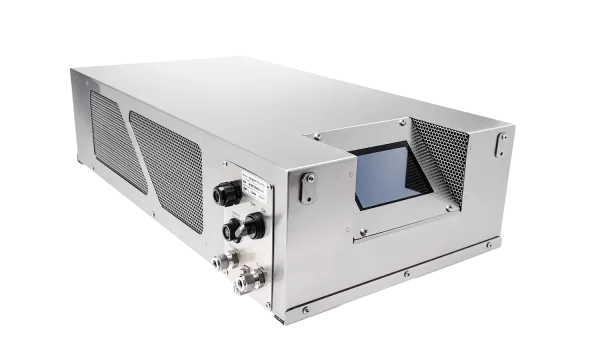
NANO
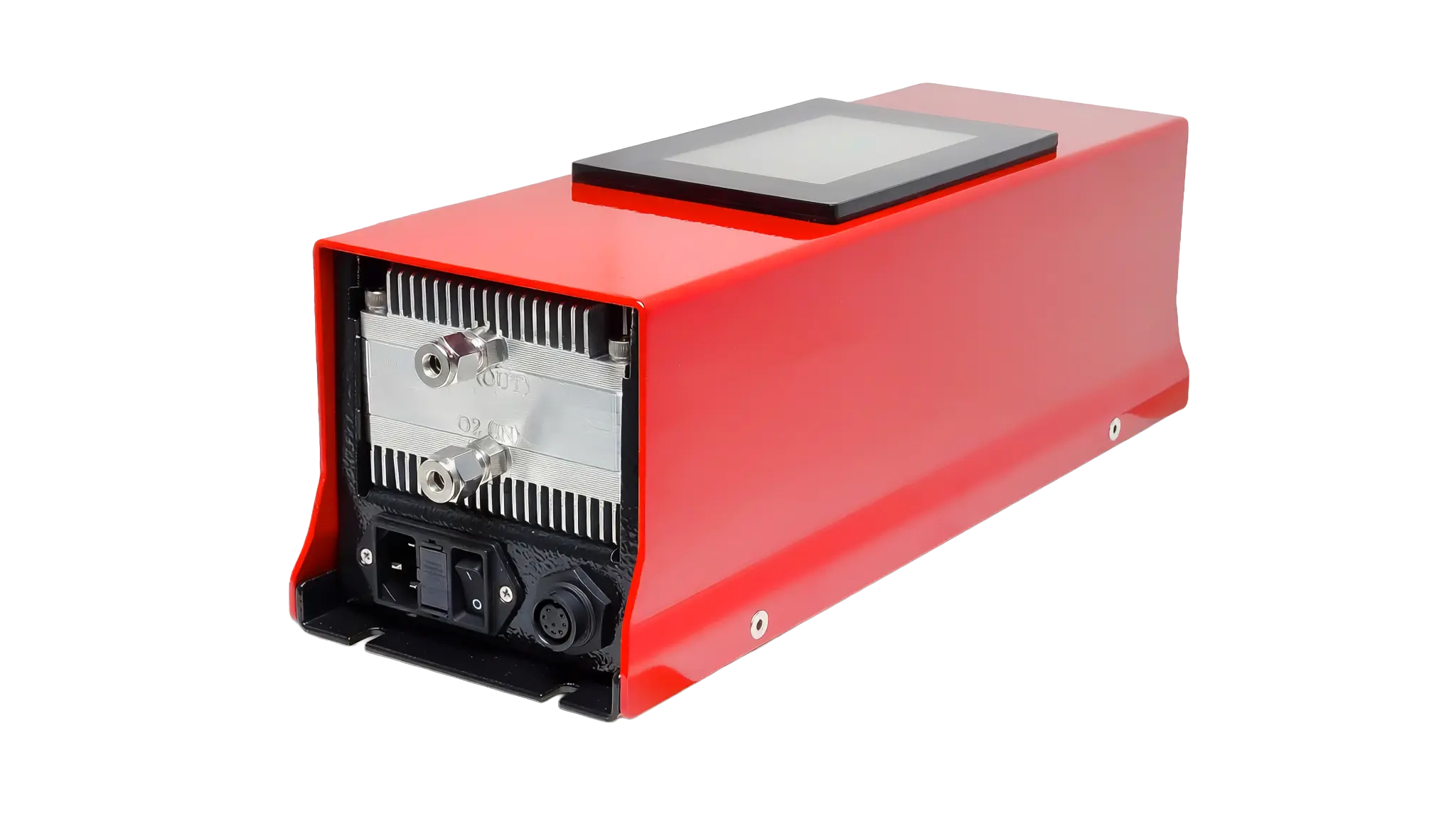
Concentration 5-10 %w/w
ATLAS
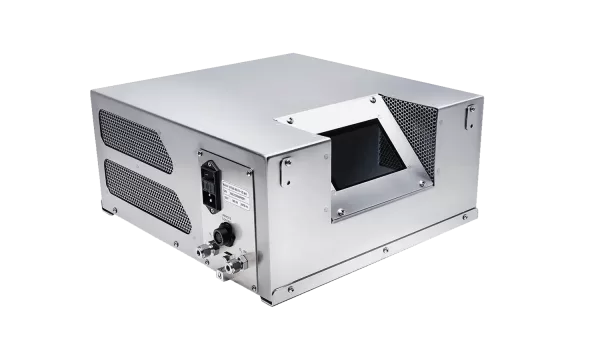
TITAN
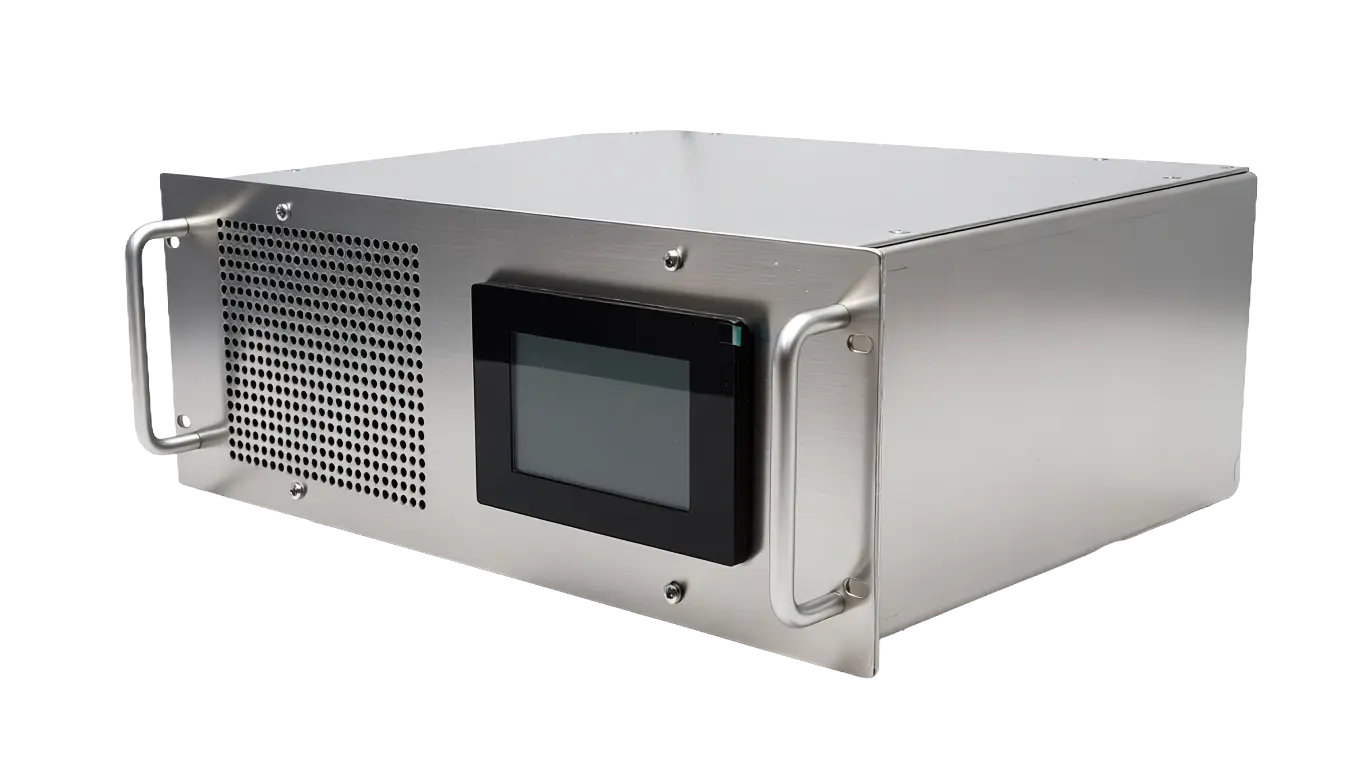
OZONE FOR WINE & BEER
The Breweries incur considerable costs for disinfection. Normally, Breweries wash equipment and pipelines with solutions of hot water and cleaning chemical products. Also, chloride residues and harmful by-products affect product quality. Ozone for Wine & Beer provides an economical and effective solution to all these problems.
For example, one of the chief concerns in the wine industry is cross-contamination between batches. Previously, sanitation techniques included using chlorinated cleaners followed by a citric acid rinse to neutralize the chlorine. Barrel sanitation was an even tougher challenge because of the oak’s porous nature and the risk of chemical retention; wineries cannot use chlorinated cleansers in barrels.
In the late 1990s, the wine industry began using ozonized water for sanitation, which quickly became standard practice. Ozone is the most powerful disinfectant available and offers several advantages over alternatives, including higher sanitization quality, time and energy savings, and reduced chemical use, without the harmful disinfection by-products associated with harsher chemical agents. Ozone provides adequate microbiological control for cleaning operations in wineries and breweries, reducing energy consumption and cost.
TYPICAL APPLICATIONS FOR OZONE FOR WINE & BEER INCLUDE THE FOLLOWING:
BARREL WASHING
Typically, a 2.5 ppm ozone concentration for 2 minutes on healthy barrels after a hot water flush is sufficient (for severe contamination, a 2.5 ppm ozone concentration for 5 minutes). Ozone enhances the barrels by preventing organic buildup that undercuts the longevity of these precious vessels. Ozone washing of wine barrels saves wineries considerable money by avoiding the high costs of replacing contaminated barrels. As a result, most Absolute Ozone® system installations yield a very high return on investment and a short break-even period.
SURFACE AND EQUIPMENT SANITIZATION
The broad range of surfaces and equipment is routinely sanitized with ozonized water to control unwanted microbes and cross-contamination. Harvest bins, crushing and de-stemming machines, conveyors, and even floors are routinely and effectively sanitized using ozone. Bottles and bottling equipment are also sanitized with ozone.
TANK CLEANING
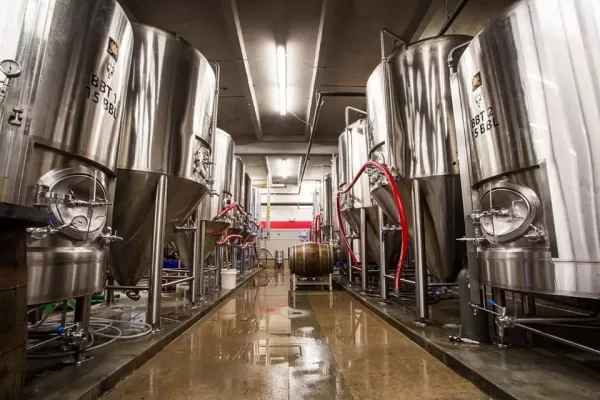
Breweries use ozone for initial sanitation and for additional follow-on rinses as well. Stainless steel tanks may stand empty for a week or more after initial sanitization. Many wineries rinse all stainless steel vessels with ozonized water immediately prior to filling to ensure proper sanitization.
OZONE FOR WINE & BEER CLEAN-IN-PLACE (CIP)
The highest risk of contamination in the winemaking process comes from transferring the wine between tanks and barrels. In fact, to mitigate this risk, wineries adopt stringent measures in their CIP processes.
CIP involves the cleaning and sanitizing of pump systems, pipes, tanks, hoses, filters, bottling lines, etc. When using detergents, pressurized water, and chemicals like bleach solutions, these cleaning steps may require multiple rinses, often with hot water or steam, to remove residue. On average, up to ten gallons of water can be consumed for every gallon of wine produced. The use of chemicals also raises concerns and poses risks to the safety and security of workers.
Ozone, already an integral part of CIP sanitization in the food processing industry, is a natural choice for wine process machines. Using Absolute Ozone® generators, the CIP process saves time and costs.
Absolute Ozone® engineers will be happy to provide you with unlimited technical assistance in selecting the correct size of an ozone generator and method of implementation of ozone to ensure that your particular wine or beer project is effective and on budget.
Contact us now. Don’t wait any longer to take advantage of the benefits of ozone technology.