
KEY FEATURES:
- Chemical usage reduction
- Lower water consumption
- healthy water
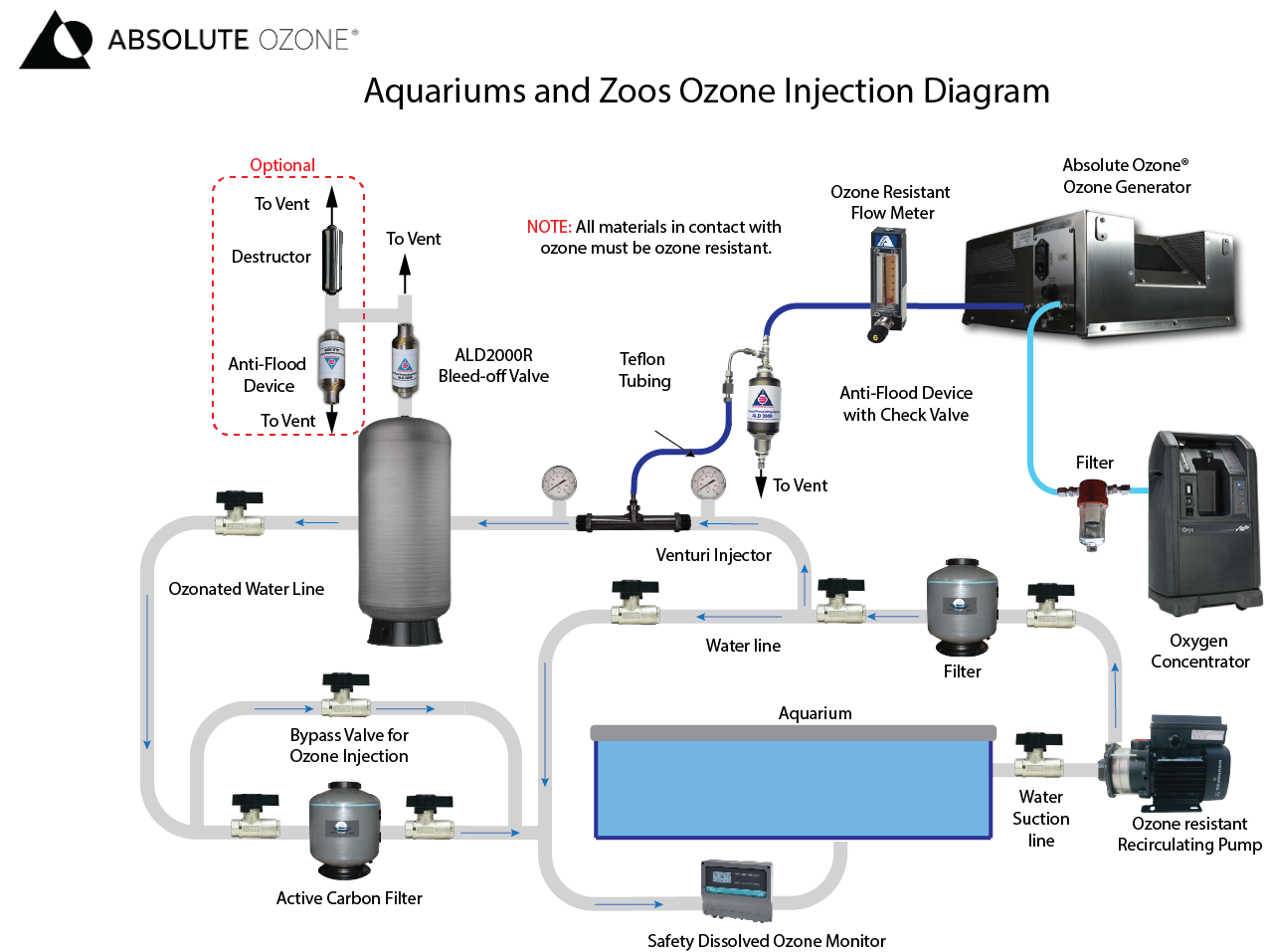
CONCEPTUAL INSTALATION DIAGRAM
SCIENTIFIC LITERATURE
- Surface Aeration System Development
- Use of ozone to improve water quality in aquatic exhibits
- The practical use of ozone in large marine aquaria
- Ozone applications in recirculating aquaculture system: an overview
- Potential and limitations of ozone for the removal of ammonia, nitrite, and yellow substances in marine recirculating aquaculture systems
- Ozone in recirculating aquaculture systems
Ger the configuration righjt before the system is built
Choosing the right ozone system goes beyond selecting a product. Tell us about your application, and our team will recommend a customized solution designed to meet your exact requirements.
MAGNUM
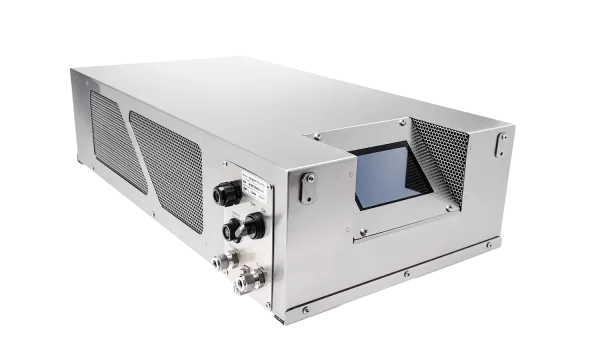
NANO
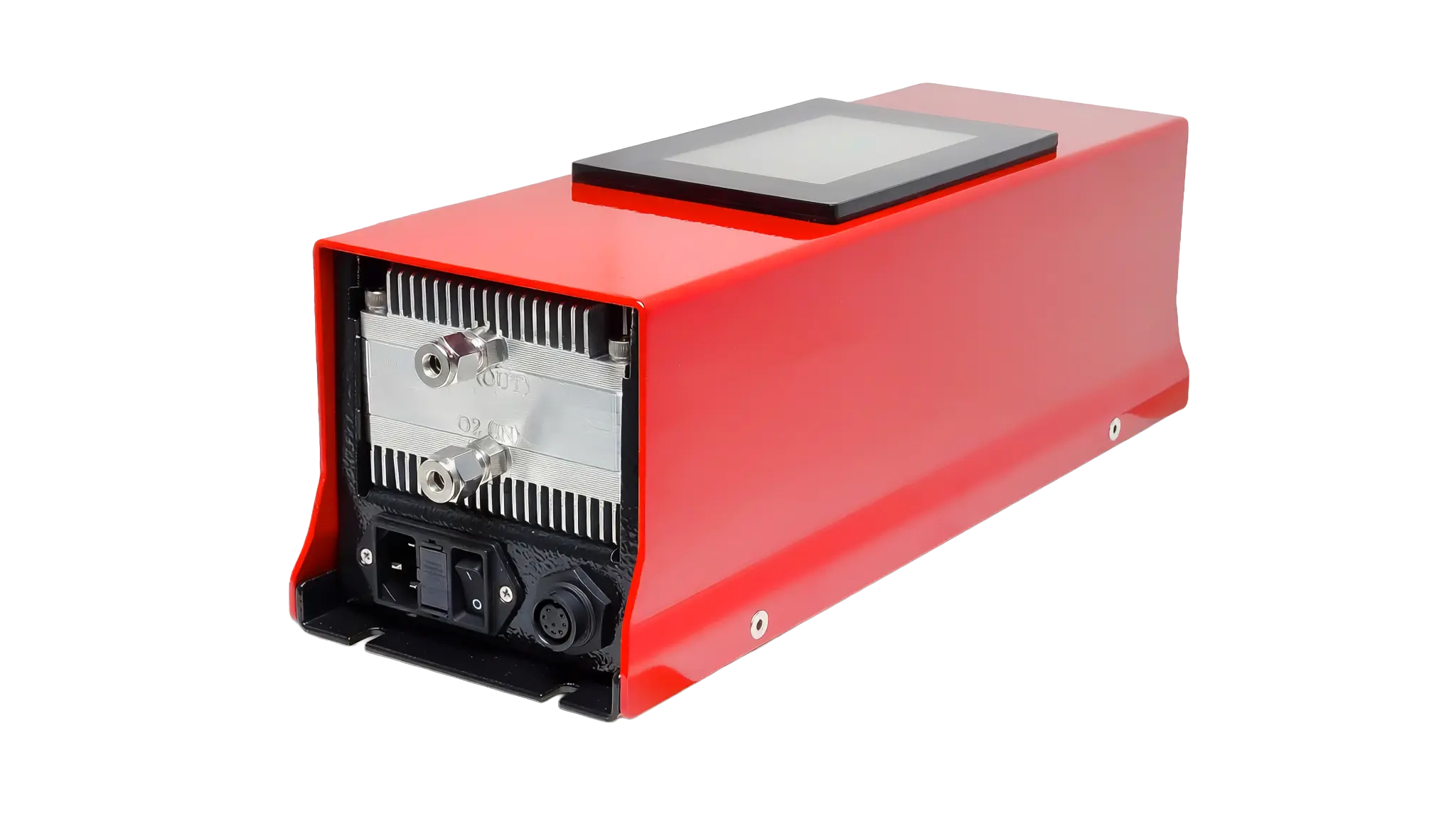
Concentration 5-10 %w/w
ATLAS
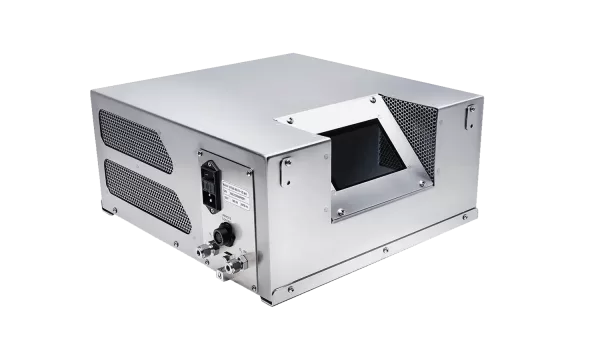
TITAN
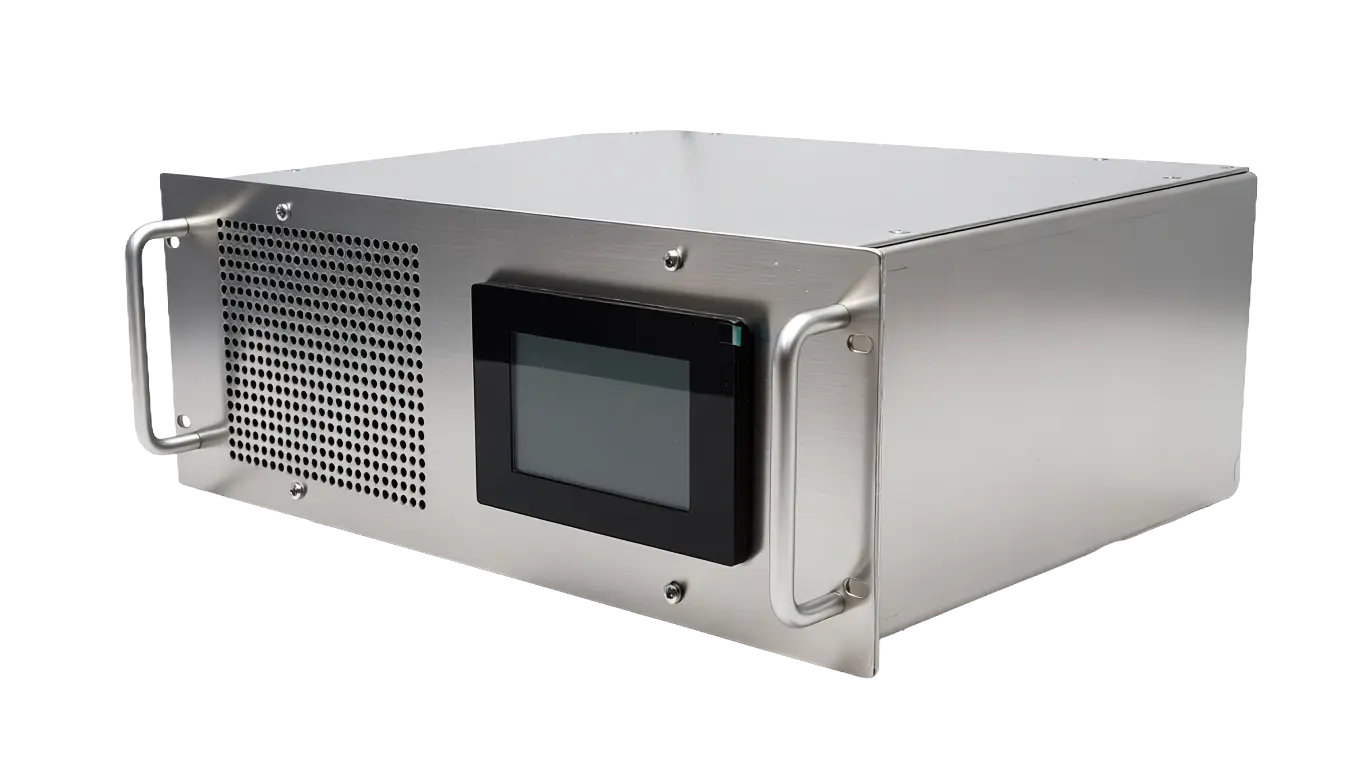
OZONE FOR LIFE SUPPORT SYSTEMS – AQUARIUMS & ZOOS
One major problem with conventional life support systems in aquariums and zoos is the accumulation of nitrogenous wastes such as ammonia, which is toxic to fish and other aquatic animals. Additionally, conventional systems are prone to bacterial, viral, and fungal infections due to high livestock density and organic load. Maintaining consistent water quality parameters, such as pH, temperature, salinity, and other chemical properties, can also be a challenge. Finally, traditional disinfection methods may involve harsh chemicals that can harm marine life and the environment.
Ozone Treatment for Aquariums and Zoos
Many of the life support systems in zoos, aquariums, and other tourist attractions employ ozone treatment. Freshwater and seawater can be treated with ozone systems, reducing overall cost and environmental impact. In addition, implementing an ozone generator in the system improves water quality and enhances animal health and well-being.
Water Purification and Disinfection Requirements
To maintain their water quality, zoos need high-quality water purification and disinfection systems. Nitrogen concentrations, or ammonia concentrations, can also have harmful effects on animals. Closed-circuit aquaculture and aquarium systems usually have high organic loads, and the high density of livestock eventually leads to infections and bacterial, viral, and fungal problems. In addition to clumping and micro-flocculating fine and colloidal solids, Ozonization removes a wide range of harmful substances from water.
Benefits of Ozonation
Ozone provides an efficient and safe method of disinfection to maintain the health of fish and other aquatic animals. Further, ozonation provides better water quality without producing harmful byproducts or leaving dangerous residues. For instance, the Ozone system treats water without antibiotics and other dangerous chemicals. Also, dissolved ozone in water reacts rapidly, breaking back down into oxygen without any dangerous byproducts, and improves oxygen concentrations in water.
Also, Ozone oxidation enables the reuse of recirculated water, reducing costs and environmental impact. Further, ozone provides a higher standard of environmental control, is safe for marine life inside, and improves water clarity, which enriches the viewing experience for the public.
How do Ozone Life Support Systems Work?
An ozone life support system uses ozone, a highly reactive and powerful oxidizing agent, to purify and disinfect water in aquariums and zoos. Here is a basic overview of how an ozone life support system works:
- Ozone Generator: The ozone generator produces ozone by passing oxygen through a high-voltage electric discharge. This process converts some of the oxygen molecules into ozone (O3).
- Ozone Injection: The ozone is then injected into the water using a venturi injector. The amount of ozone injected into the water is carefully controlled to ensure that the water is effectively treated without harming aquatic life.
- Oxidation and Disinfection: As ozone dissolves in water, it reacts with contaminants such as organic matter, bacteria, viruses, and other pathogens. Ozone oxidizes these contaminants, breaking them down into harmless compounds that can be safely removed through filtration or other means.
- Residual Ozone Removal: After the ozone has effectively treated the water, any remaining ozone is removed using a degassing unit or an activated carbon filter. This ensures that the water is safe for aquatic life.
Overall, an ozone life support system is an effective and safe method for purifying and disinfecting water in aquariums and zoos. It provides many benefits, including reducing costs, minimizing environmental impact, improving water quality, and enhancing the health and happiness of aquatic life.
Contact Us For More Information
Absolute Ozone® is a reliable and efficient manufacturer of ozone generators, providing unmatched customer service and support. We guarantee the performance of their ozone generators and design equipment with a focus on greater productivity and minimal maintenance. Our knowledgeable engineering team helps clients select the right-sized generator and accessories for their application, provides installation guidance, and offers full technical support for years to come. The higher ozone concentration and unique design of their treatment system have been trusted for their pursuit of efficiency and reliability.