
KEY FEATURES:
- Ozone largely eliminates mycotoxins and pathogens.
- Ozone does not leave residues.
- Ozone saves money over the long term more than any other alternative.
- Ozone is “GRAS” for use in food processing.
lower bacterial levels - Safe for the environment
- Improve water quality and reduce water usage
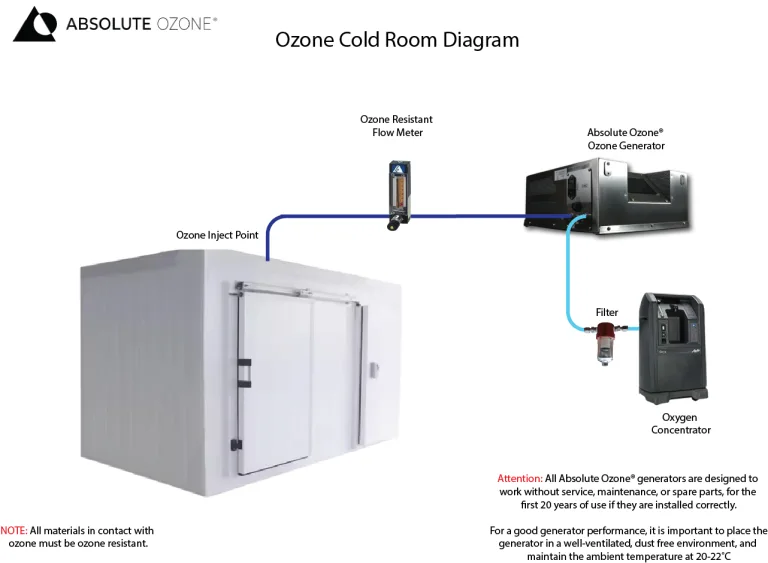
CONCEPTUAL INSTALATION DIAGRAM
SCIENTIFIC LITERATURE
- A Review: Gaseous Interventions for Listeria monocytogenes Control in Fresh Apple Cold Storage
- Ozone in food processing
- Ozone sanitization in the food industry.
- Impact of a low-dose gaseous ozone treatment to reduce the growth of in vitro broth cultures of foodborne pathogenic/spoilage bacteria in a food storage cold chamber
- Study on the effect of ozone treatment on the storage quality of wheat
- Effect of Ozone on Cell Growth
- Inactivation of Human and Simian Rotaviruses by Ozone
- EPA Rules and Regulations for Ozone
- Fruit Decay Prevention Demonstration Using Tomatoes
- Ozone Treatment of Brazil Nuts
- Ozone Fruit Experiment Results
- Ozone for Use in Food Applications
- U.S. FDA Regulatory Approval of Ozone as an Antimicrobial
- Effects of Ozone on E.Coli
Ger the configuration righjt before the system is built
Choosing the right ozone system goes beyond selecting a product. Tell us about your application, and our team will recommend a customized solution designed to meet your exact requirements.
MAGNUM
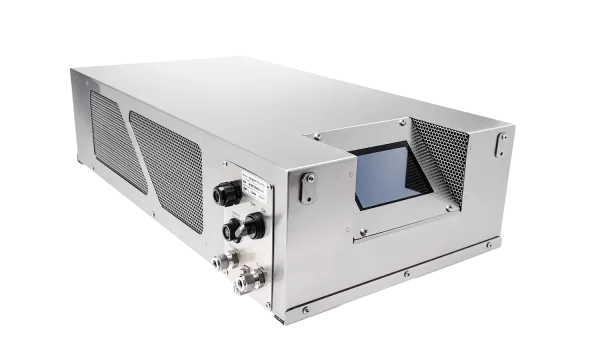
NANO
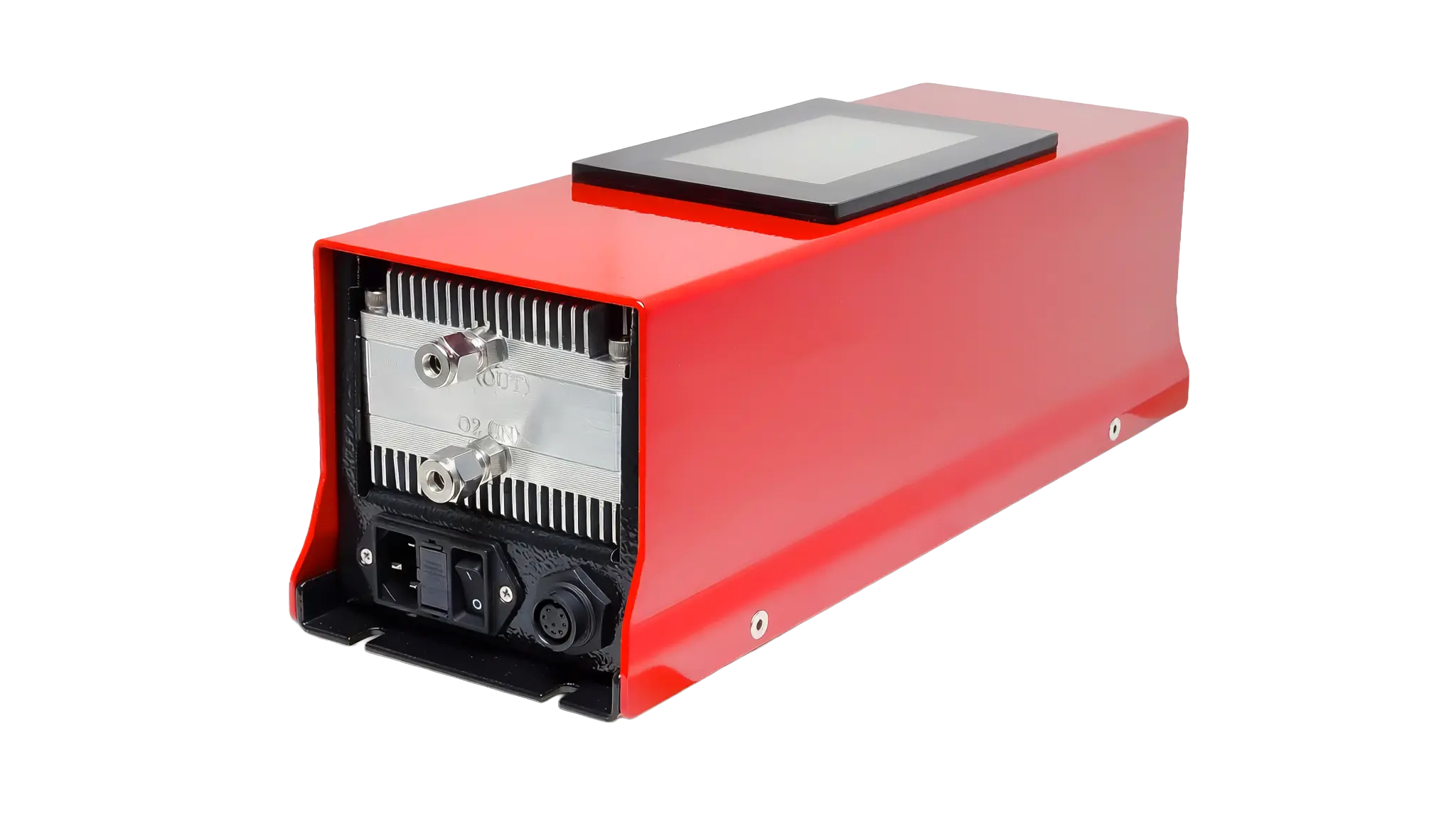
Concentration 5-10 %w/w
ATLAS
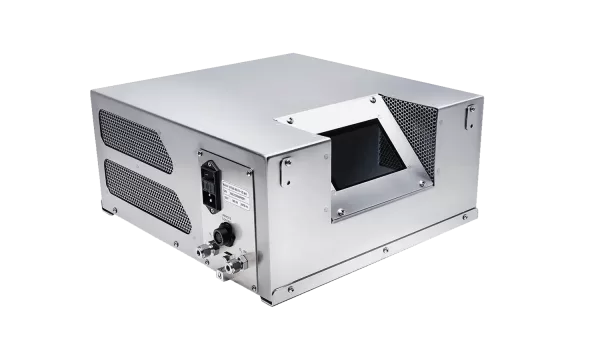
TITAN
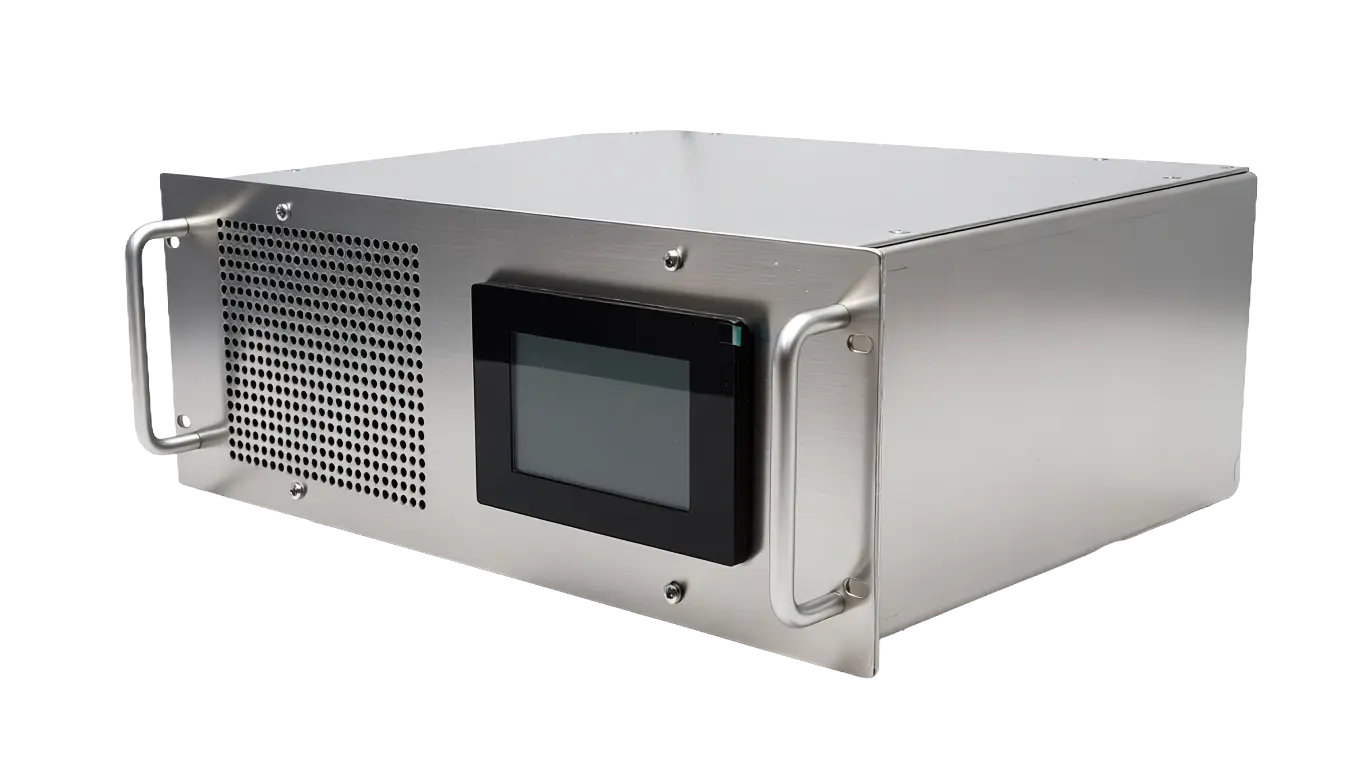
Ozone for Cold Rooms
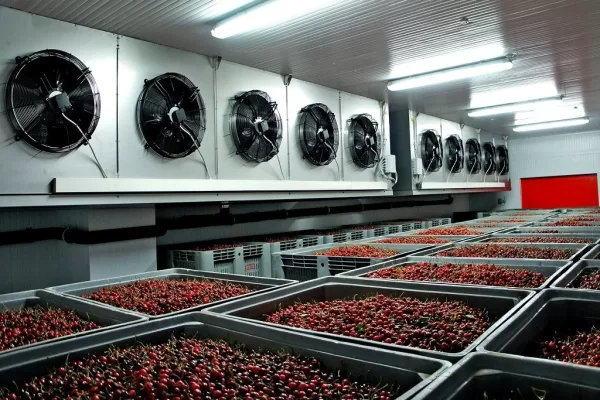
Food producers are continually seeking effective and economical methods to store food and extend the shelf life of their products. Cold rooms are among the most common methods for preserving fruits, vegetables, meat, and fish. However, Cool storage is expensive and energy-intensive. In addition, it is not the most effective method. Refrigeration does not destroy microorganisms. Food remains susceptible to microbial growth, fungal decay, and pests during storage. Using ozone gas for cold storage is an excellent alternative. It inactivates microorganisms in fresh products, including fruits, vegetables, meat, and other food items. Ozone is a highly effective and economical method for storing food and extending its shelf life.
Ozone treatment is the most effective, economical, and practical solution for food storage. An ozone system in cold rooms keeps the air germ-free and prevents the growth of mould and fungus. Several studies show that ozone is effective against numerous harmful food pathogens and extends the shelf life of food.
Advantages of Ozone in Cold Storage Rooms
Ozone systems in cold storage offer several benefits. Ozone is a powerful disinfectant with antimicrobial properties that can effectively inactivate bacterial spores, moulds, yeasts, protozoa, and viruses. By using ozone, cold room operators can reduce their reliance on chemical disinfectants, minimize waste, and save energy. The ozone system has enhanced food safety and extended the shelf life of various foods, including seafood, meats, fruits, and vegetables, during storage and processing. Another key advantage of ozone is that it leaves no residue and does not affect the taste, smell, or quality of stored food. Ozone systems are easily installed within existing cold storage air handling systems. With the Absolute Ozone system, the cost of the equipment can be quickly recovered because ozone helps minimize food waste and reduce the need for frequent restocking, thereby saving money and lowering operating costs.
What is Ozone, and How Does it Work?
Ozone is a naturally occurring gas that can be artificially generated for use in various applications, including food safety and preservation in cold storage. It is a highly reactive gas that can eliminate odours, mould, bacteria, and other harmful microorganisms that can grow in cold rooms, posing a risk to food safety.
Ozone is generated by recombining oxygen molecules, creating ozone molecules that can then be released into the cold room. Once in the cold room, the ozone gas will react with any organic matter they encounter, such as bacteria, mould, or odours. Ozone molecules contain an extra oxygen atom, which can bond with organic matter, breaking it down into harmless byproducts such as carbon dioxide and water.
Ozone can also be used to remove ethylene gas in cold rooms. Ethylene is a natural gas produced by fruits and vegetables during ripening. Ethylene gas can accelerate ripening and spoilage in nearby produce, affecting the taste, texture, and appearance of fruits and vegetables. Ozone is an effective method for removing ethylene gas in cold rooms. It oxidizes ethylene, breaking it down into carbon dioxide and water. By removing ethylene gas, ozone can help slow the ripening process and extend the shelf life of fruits and vegetables. It can also help maintain the quality and freshness of stored fruits and vegetables.
How to Use Ozone in Cold Rooms
Here are some general steps on how to use ozone systems:
- Determine the appropriate ozone concentration: The required concentration depends on the cold room’s size and intended use; it generally ranges from 0.1 to 0.3 ppmv.
- Select the suitable ozone generator: Various types of ozone generators are available on the market, ranging from compact, portable units to large, industrial-sized models. Choose a generator appropriate for the cold room’s size and intended use.
- Let the ozone work: Allow the ozone to circulate in the cold room for the recommended time. The duration of the treatment will depend on the size of the cold room and the intended use.
- Ventilate the cold room: After treatment is complete, ventilate it to remove any residual ozone. Open all doors and windows and use fans to circulate fresh air throughout the space. Ensure the ozone concentration is safe before re-entering.
Ozone can enhance the storage and shelf life of various products in cold storage facilities. For example, ozone can sterilize meat and prevent the growth of harmful bacteria. It can also reduce deterioration-related losses and improve the tenderness and shelf life of the meat. In the case of fish, ozone can eliminate microorganisms in cold storage rooms, preventing food from putrefying and illness in consumers. It can also deodorize the fish, reduce ammonia emissions, stabilize the pH, and extend its shelf life. Ozone gas can control ethylene production for fruits and vegetables, delaying natural ripening and oxidizing it into an antimicrobial compound. It can also leave fruits and vegetables free of pathogens and chemical residues. In the egg industry, ozone helps prevent fungal growth, preserving the eggs’ initial flavour and quality. Lastly, in cheese conservation and maturation chambers, ozone can prevent mould growth, reduce weight loss, and eliminate odours.
Absolute Ozone® will be happy to help you; we offer a unique 5-year warranty and unlimited assistance to ensure that the Ozone Generator is adequate for your storage room and product. Our knowledgeable team will help you with the following:
- Selecting the Right Size Absolute Ozone® Ozone Generator for Your Ozone Bottling Application
- Ensure you have the correct air preparation or feed gas for the oxygen concentrator, or help choose the appropriate oxygen supply.
- Supply all necessary accessories, such as online monitoring and control equipment.
- Help with a complete initial design, installation guidance, and process details with maximum profitability.
- Provide full technical support from expert application engineers every step of the way, before installation and throughout the years.
Contact us now, and our staff will help you explore all the possibilities ozone can offer your cold storage facility.