
KEY FEATURES:
- Ozone technology eliminates mycotoxins and pathogens in meat products.
- Ozone does not leave residues.
Ozone saves money over the long term more than any other alternative. - Ozone is Generally Recognized as Safe (GRAS) for use in food processing.
- Ozone is effective in killing bacteria and pathogens
- Ozone is a powerful and versatile tool for food processors
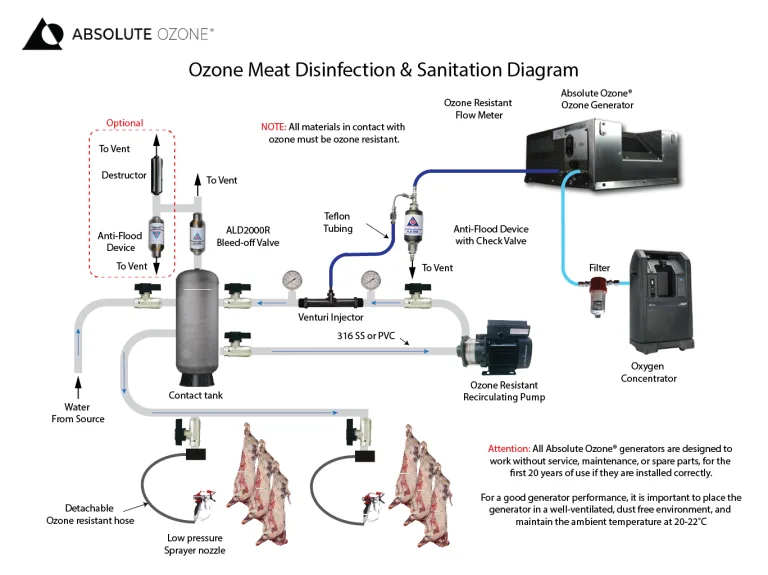
CONCEPTUAL INSTALATION DIAGRAM
SCIENTIFIC LITERATURE
- Sizing of ozone generators
- Case Study- Effect of Ozone on Grapes
- Watermelon Treatment Using Ozone
- Effect of Ozone on Cell Growth
- Ozone applications in the milk and Meat industry
- Effects of Ozone Treatment on Microflora of Poultry Meat
- Combined effects of ozone and freeze-drying on the shelf-life of Broiler chicken meat
- Effects of ozone treatment on microbiological quality and physicochemical properties of turkey breast meat
- Inactivation of Human and Simian Rotaviruses by Ozone
- EPA Rules and Regulations for Ozone
- Fruit Decay Prevention Demonstration Using Tomatoes
- Ozone Treatment of Brazil Nuts
- Ozone Fruit Experiment Results
- Ozone for Use in Food Applications
- U.S. FDA Regulatory Approval of Ozone as an Antimicrobial
- Effects of Ozone on E. coli.
Ger the configuration righjt before the system is built
Choosing the right ozone system goes beyond selecting a product. Tell us about your application, and our team will recommend a customized solution designed to meet your exact requirements.
MAGNUM
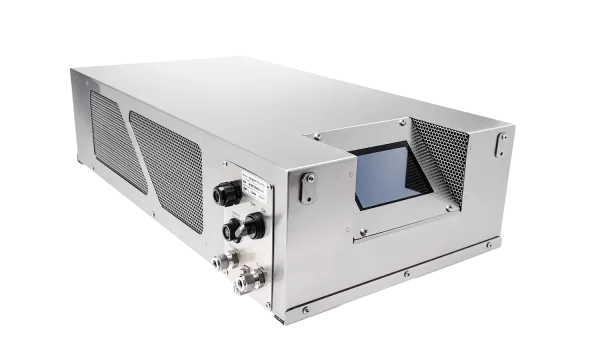
NANO
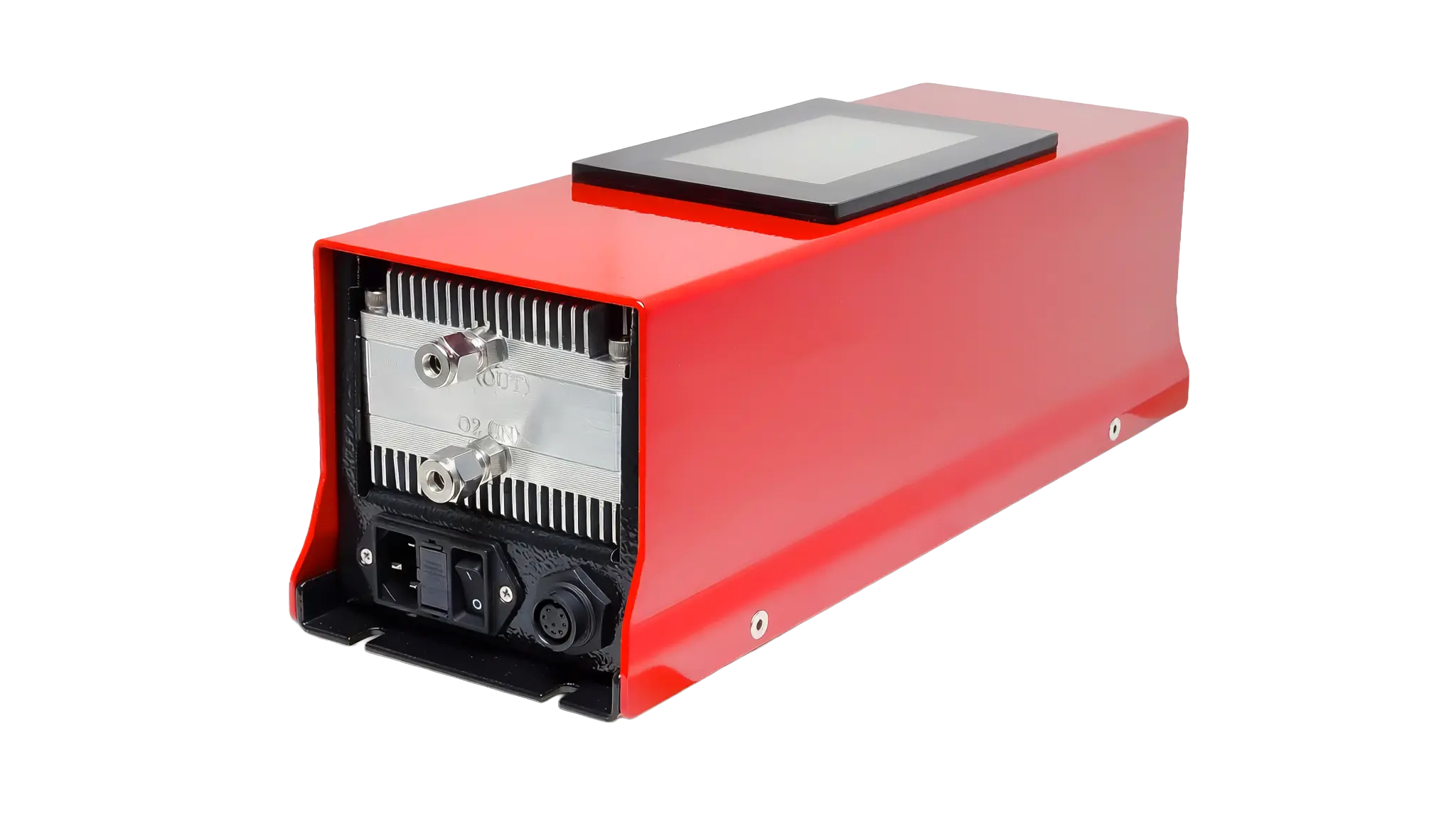
Concentration 5-10 %w/w
ATLAS
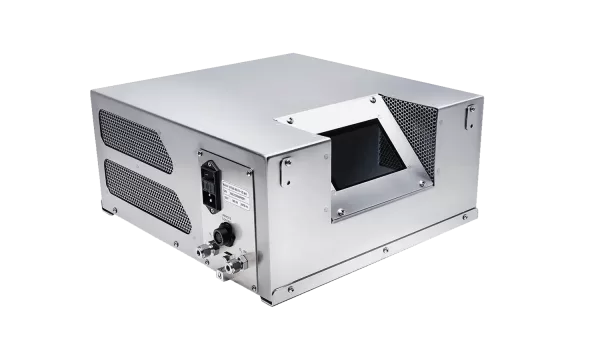
TITAN
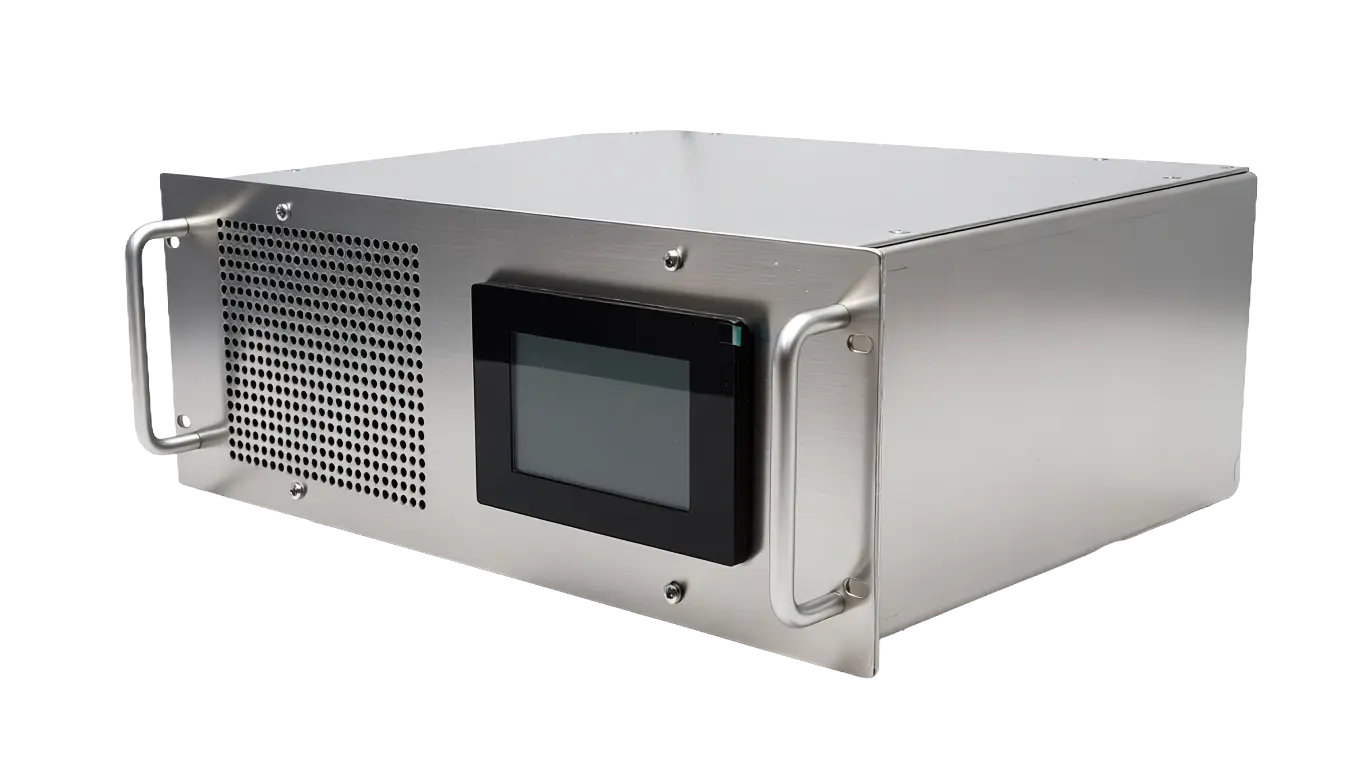
OZONE GENERATOR FOR MEAT DISINFECTION
The meat industry faces significant challenges in ensuring the safety and quality of its products. Bacterial contamination, spoilage, and other issues can pose consumer health risks and lead to economic losses for producers in the beef industry.
Meat is an ideal medium for the growth of microorganisms and the spread of bacteria. Meat is highly susceptible to pathogens, including Salmonella, Listeria, and E. coli. The pathogens live naturally in the intestine and can become contaminated during transport, slaughter, and production. Cross-contamination between food processing equipment is a major problem in the food industry. Food contact surfaces, such as cutting boards and knives, can become contaminated with pathogenic microorganisms during meat processing and handling. Contamination of these surfaces can lead to the transfer of microorganisms to the meat, increasing the risk of foodborne illness.
In addition to the risk of contamination during production, transport, and cold storage, meat is highly perishable due to its high protein and moisture content. This makes it more susceptible to spoilage and degradation.
Therefore, it is imperative to use effective disinfection methods to control contamination in meat and reduce the risk of foodborne illnesses. Proper hygiene practices and disinfectants, such as ozone, can help mitigate contamination risks in meat products. Ozone technology for meat disinfection offers a great solution. Additionally, ozone can be used to control airborne contaminants in meat processing environments, maintaining indoor air quality and preventing cross-contamination from airborne pathogens
The Power of Ozone Disinfection
Salmonella is the most commonly associated pathogen with poultry products. Currently, contamination is removed or controlled during carcass processing using a combination of thermal treatment, water, and chemical antimicrobials, such as peracetic acid (PAA). However, these chemical antimicrobials can be toxic before and after oxidation. Additionally, these chemicals affect meat quality by producing undesirable colour and texture effects and the development of off-flavours. In addition, chemical antimicrobials are expensive and leave hazardous residues.
The food industry is turning to ozone to lower sanitation and disinfection costs. Ozone is a potent and safe disinfectant, with 1.5 times the power of chlorine and 3000 times the reactivity. Studies have shown that ozone is effective against common meat microorganisms, parasites, and viruses, including Salmonella, mesophilic, and Escherichia coli. Gaseous ozone is used to treat meat products to kill bacteria such as E. coli and Listeria monocytogenes, improving beef quality and prolonging shelf life during refrigerated storage. Ozone
Ozone is a bactericidal agent with rapid inactivation, and it leaves no residues, making it a safe and economical disinfection solution. For instance, treating carcasses with ozonized water can reduce microbial levels, resulting in higher meat quality and longer shelf life.
In addition to its powerful antimicrobial properties. Ozone leaves no residues and is a safe, economical disinfection solution. Furthermore, ozone treatment does not affect the taste, texture, or colour of meat, making it an attractive alternative for the industry.
Enhancing Food Safety by Eliminating Foodborne Pathogens
The FDA has approved the use of ozone as a safe and effective food additive and antimicrobial agent in processing all foods, including poultry meat, ensuring food safety. This ruling allows the use of ozone as an alternative to traditional chemical antimicrobials, which can be hazardous and leave harmful residues. Additionally, ozone meets the growing consumer demand for safe and high-quality beef products. By using ozone in food processing, food manufacturers can ensure their products’ safety and quality while reducing costs and promoting sustainability. Ozone has been demonstrated to be effective against a wide range of foodborne pathogens, making it a valuable tool in the fight against foodborne illness.
Absolute Ozone Generators are the Best Choice for Ozone Meat Disinfection
For the past 25 years, Varius Meat Industries has successfully applied Absolute Ozone® technologies. Absolute Ozone® generators play a crucial role in preserving fresh meat by preventing microbial contamination and extending its shelf life. We have a highly experienced and knowledgeable engineering team that can assist you in the following areas:
- Selecting the Right Size Absolute Ozone® Ozone Generator for Your Ozone Meat Disinfection Application.
- Ensure you have the correct air preparation/feed gas to supply the oxygen concentrator or help choose the correct oxygen supply.
- Supply all necessary accessories, such as online monitoring and control equipment.
- Help with a complete initial design, installation guidance, and process details with maximum profitability.
- Provide full technical support from expert application engineers every step of the way, before installation and throughout the years.
Contact us now. Our staff will help you explore all the possibilities ozone can offer your meat disinfection project.