
KEY FEATURES:
- Ozone largely eliminates mycotoxins and pathogens in grain products.
- Ozone does not leave residues.
- Ozone saves money over the long term more than any other alternative.
- Ozone is Generally Recognized as Safe (GRAS) for use in food processing.
- Ozone treatment enhances the shelf-life of grain products.
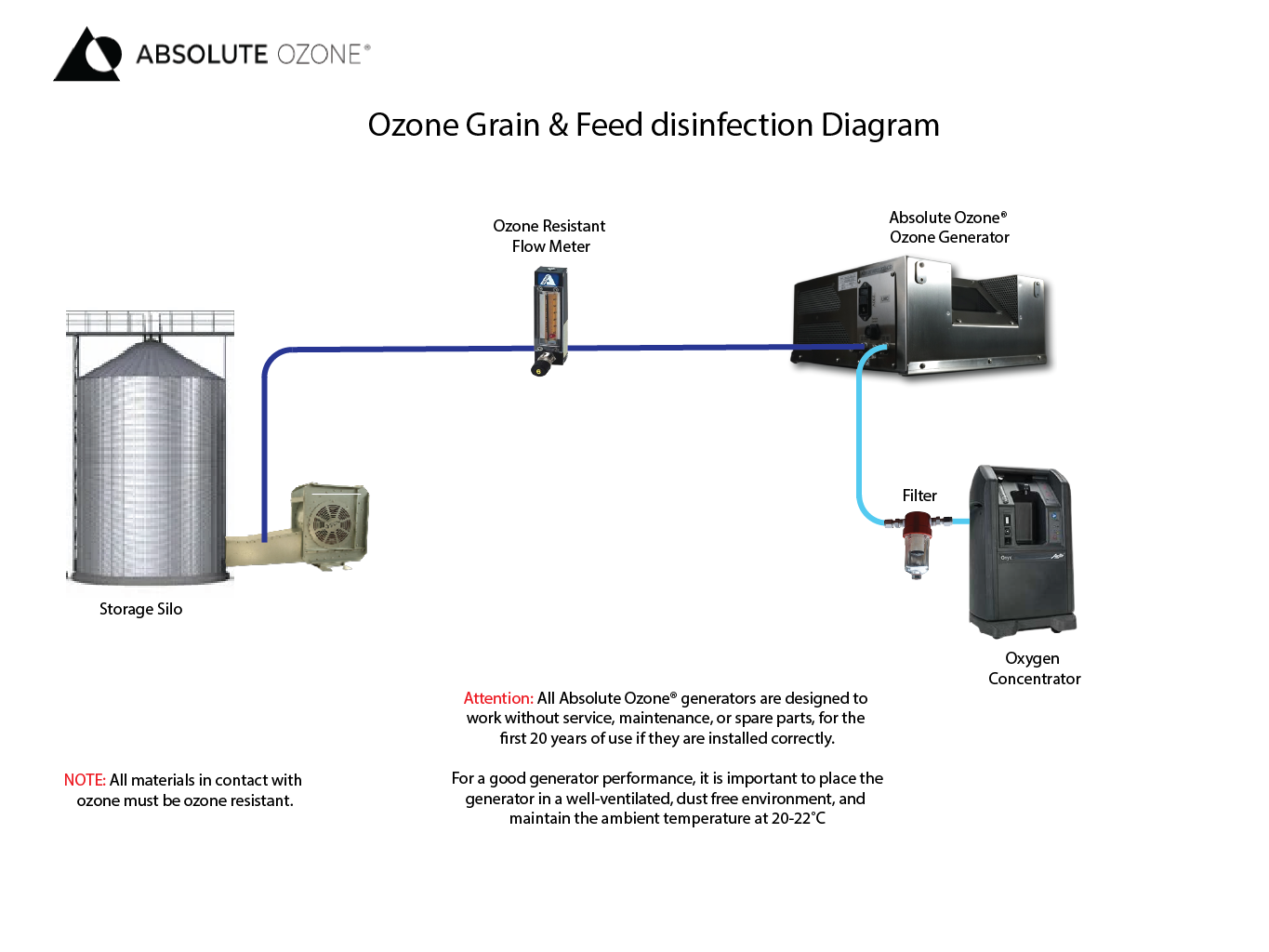
CONCEPTUAL INSTALATION DIAGRAM
SCIENTIFIC LITERATURE
- Case Study- Effect of Ozone on Grapes
- Ozone technology in food processing: A review
- Watermelon Treatment Using Ozone
- Ozone for Destroying Color in Drinks
- Dangers of Chlorine in our Drinking Water
- Effect of Ozone on Cell Growth
- Inactivation of Human and Simian Rotaviruses by Ozone
- EPA Rules and Regulations for Ozone
- Fruit Decay Prevention Demonstration Using Tomatoes
- Ozone Treatment of Brazil Nuts
- Ozone Fruit Experiment Results
- Ozone for Use in Food Applications
- U.S. FDA Regulatory Approval of Ozone as an Antimicrobial
- Effects of Ozone on E.Coli
- Ozone effects on the toxicity of wheat grain and grain mixtures
- Canada sanitizer approved
Ger the configuration righjt before the system is built
Choosing the right ozone system goes beyond selecting a product. Tell us about your application, and our team will recommend a customized solution designed to meet your exact requirements.
MAGNUM
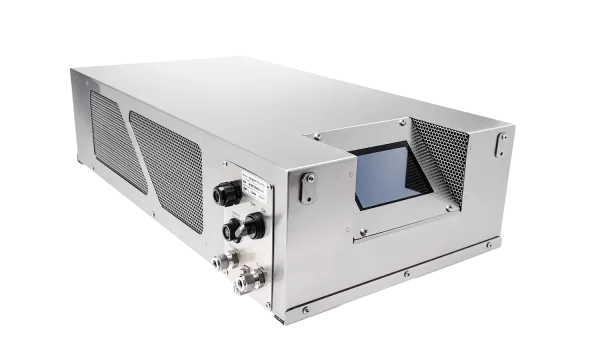
NANO
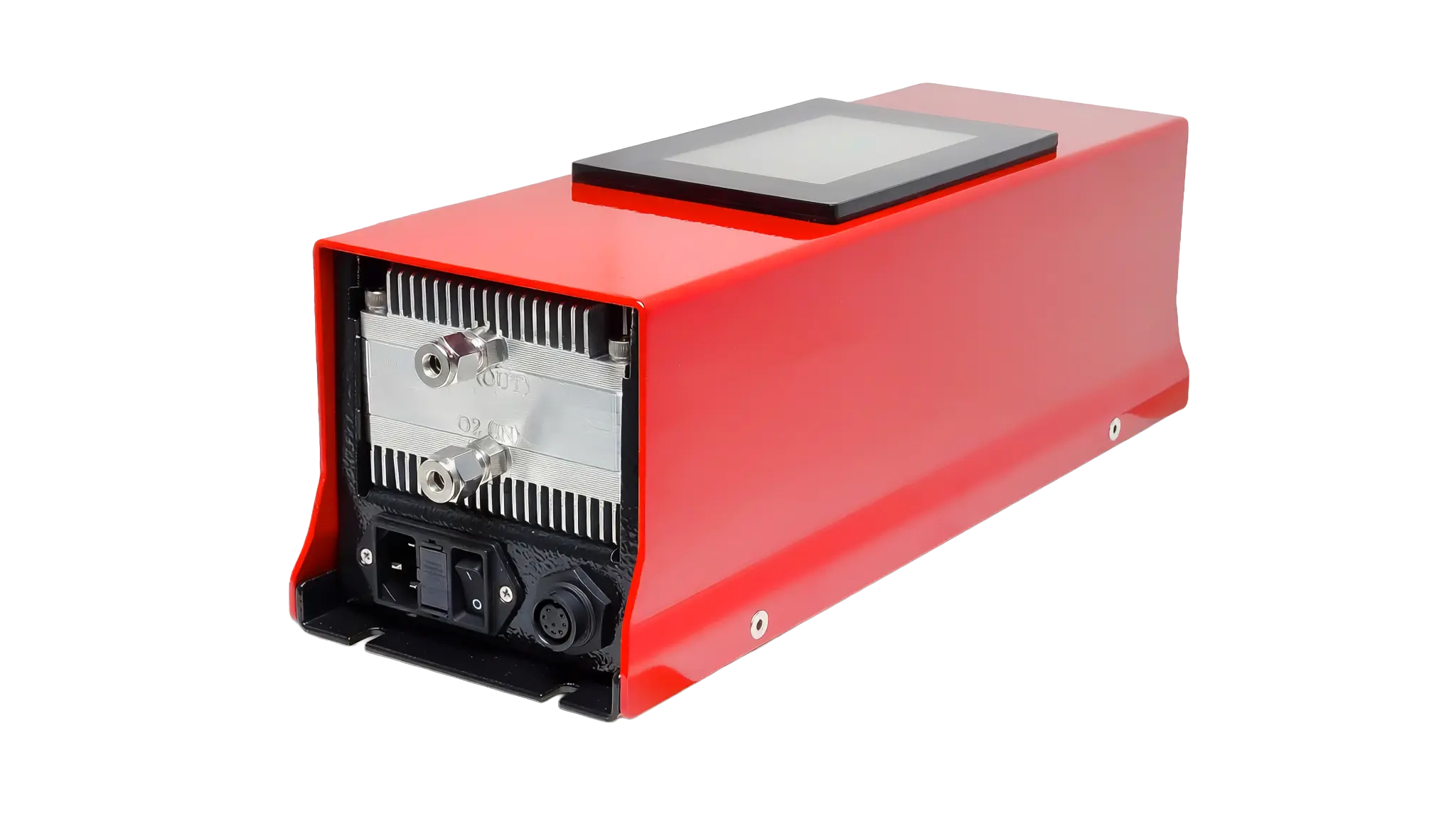
Concentration 5-10 %w/w
ATLAS
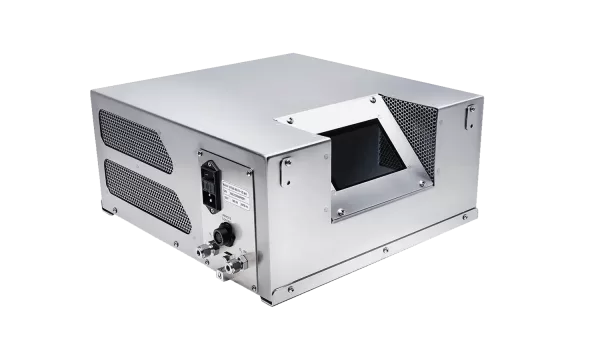
TITAN
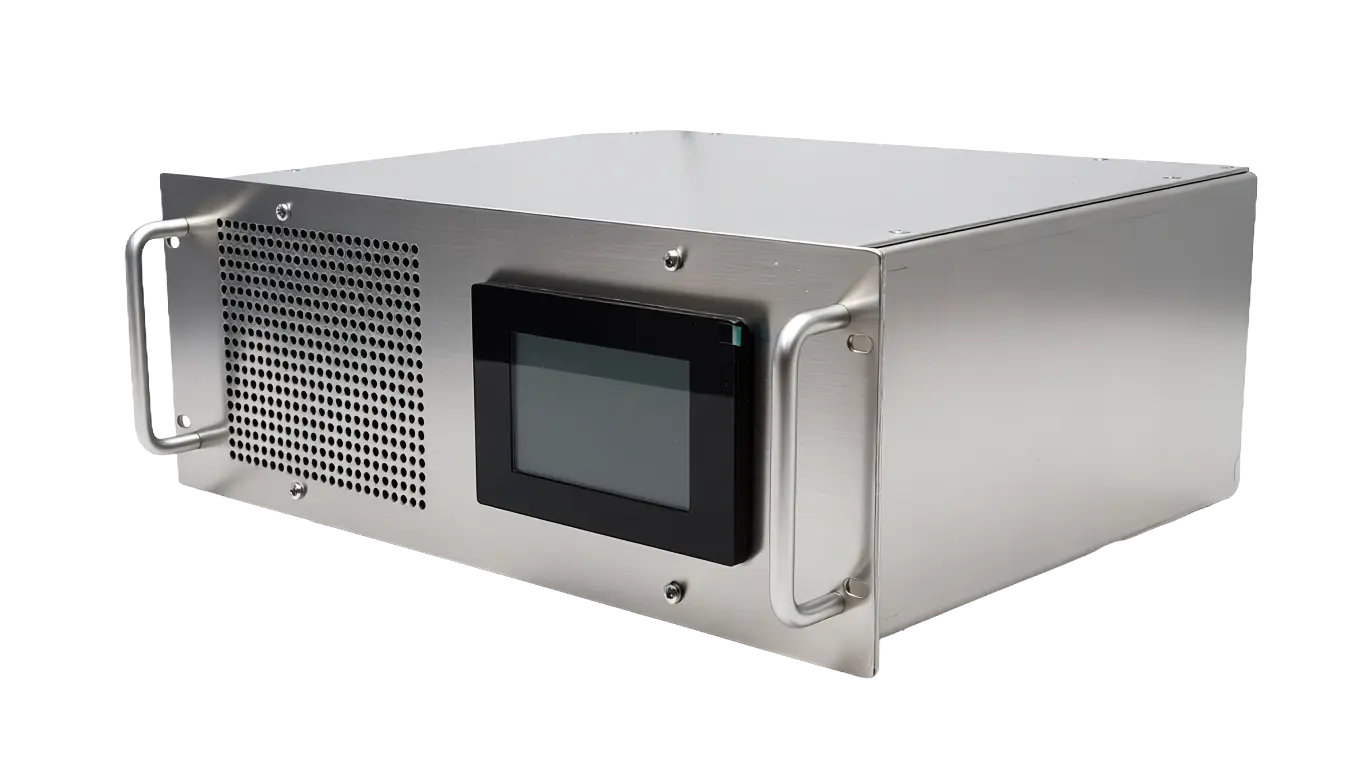
OZONE GRAIN & FEED DISINFECTION
READ HOW OZONE FOR GRAIN & FEED DISINFECTION CAN SAVE LOSSES DURING THE STORAGE OF GRAINS!
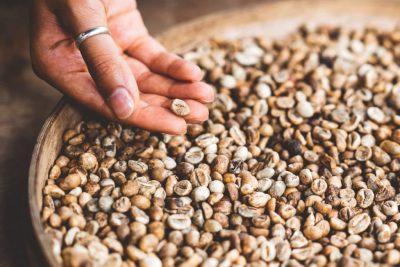
Experts estimate that between 5 and 15% of the world’s cereal grain production can be lost during storage, and in some developing countries, this figure can reach up to 50%. Canada estimated the value of food waste at $31 billion per year. Insects, especially fungi and weevils, cause significant losses in stored grains. Grains such as wheat are particularly susceptible to stored-grain insects, fungi, and bacterial contamination. By using improved grain storage technology, it’s possible to reduce these losses drastically. Currently, there are few effective fumigants, partly because insects have developed resistance to the active ingredients. Moreover, authorities have banned certain disinfectants for food processing due to their potential health and environmental risks. Furthermore, some species (such as grain weevils) develop inside grain kernels, which protect them from chemical fumigants.
Effective grain storage management is essential to prevent fungal and mould infestations that thrive in humid, sultry environments, causing considerable losses in material and quality, as well as the risk of mycotoxin contamination. These infestations can affect grain prices, feed and food product quality, and grain susceptibility to pest contamination in the grain trade. Furthermore, external microbiological contamination during wheat flour production and storage is common, with E. coli and Salmonella spp. prevalent. To maintain high-quality grain, several factors must be carefully monitored, such as temperature, pH, humidity, insects, pests, rodents, fungi, mould, mycotoxins, and odour. Infested grain with insects and fungi cannot be used, resulting in significant losses. Even when treated with chemical pesticides, it may cause undesirable odour and require additional cleaning and treatment before use. Addressing these issues continuously is crucial for successful long-term grain storage.
Ozone is the best alternative for grain & feed disinfection.
Ozone treatment has been used in various agro-food applications to mitigate the dangers of grain contamination. Several research studies have demonstrated the efficacy of ozone in grain & feed disinfection, particularly for the storage and preservation of food grains, wheat grains, and wheat flour. Additionally, ozone serves as a disinfectant for microflora, bacteria, fungi, and mould. E.g., Ozone kills all storage insects at a remarkably low operating cost.
Despite its effectiveness as a disinfectant, ozone gas does not leave a chemical residue on food or food contact surfaces because it decomposes quickly into nontoxic products. Also, ozone gas is generated on-demand and on-site and requires no transportation or storage, unlike traditional chemical sanitizers. The use of ozone reduces the company’s environmental impact and costs without altering grain quality.
Ozone is a highly reactive gas. When ozone gas is generated and used in concentrated form, it can kill bacteria, viruses, and other pathogens, making it a powerful tool for grain disinfection.
Ozone generators work by converting oxygen molecules (O2) into ozone (O3). This is achieved by passing an electric current through the oxygen molecules, breaking the bonds and creating ozone. The ozone gas is then mixed with air or water and introduced into grain storage, transportation pipelines, or containers, where it actively seeks out and destroys any pathogens present.
One advantage of using ozone for grain disinfection is that it is a safe, eco-friendly alternative to chemical disinfectants. Ozone breaks down into oxygen (O2) within a few minutes after use, leaving no toxic residue or harmful by-products. It is also highly effective, as ozone has a strong oxidizing effect that can kill even the most resistant of pathogens.
A key component of grain treatment, particularly for avoiding mould growth, is the concentration of ozone gas. Ozone treatments have been shown to be an effective way to prevent mould formation and maintain grain quality. For example, the ozone concentration typically ranges from 0.05 to 0.1 ppm (parts per million) for rice grains. This concentration ensures that ozone can penetrate grain kernels and effectively eliminate mould growth. It is important to note that using a higher ozone concentration can result in over-oxidation and harm the quality of the rice grains.
Advantages of Ozone Fumigation of Grain Storage
- Ozone gas is produced on-site
- Ozone is a powerful oxidant, and it kills all insects in the grain
- Ozone kills bacteria and other undesirable microorganisms in the grain
- Ozone deprives rodents, such as rats, of oxygen and prevents them from entering grain storage.
- Ozone prevents the growth of moulds and mycotoxins in the grain
- Ozone is approved as a sanitizer for contact with food and food equipment because it’s effective against many microbes
- Ozone eliminates odour in the stored grain.
- Ozone does not modify the organoleptic and nutritional value of the grain.
- Ozone automatically decays into diatomic oxygen and escapes into the atmosphere.
- Ozone does not leave behind any residue, odor, or chemicals, and is environmentally safe.
- Ozone is compatible with organic food processing.
WHY ABSOLUTE OZONE?
Different industries have been using Absolute Ozone® technologies worldwide for the past 25 years. Further, we ensured the correct concentration and application time to reduce levels of bacterial and fungal contamination. Our Absolute Ozone® systems have been delivering excellent results as an economical and effective alternative to traditional methods.
Absolute Ozone® engineers will be happy to provide you with unlimited technical assistance in your project to ensure its success.
Contact us now to learn more about implementing ozone in your project and to explore possibilities.